
Frozen shoulder can make everyday activities surprisingly difficult. Reaching overhead, putting on a shirt, combing your hair, or reaching behind your back may become painful or restricted. Cupping therapy is sometimes used as a complementary approach for shoulder pain, muscle tightness, and frozen shoulder symptoms.
But can cupping therapy actually treat frozen shoulder?
The honest answer is: cupping therapy may help some people manage pain or muscle tightness, but there is not enough strong evidence to say that cupping alone can cure or “unfreeze” a frozen shoulder. It is better understood as a supportive or complementary treatment, rather than a replacement for proper assessment, physiotherapy, exercise, or other appropriate medical treatment.
What Is Frozen Shoulder?
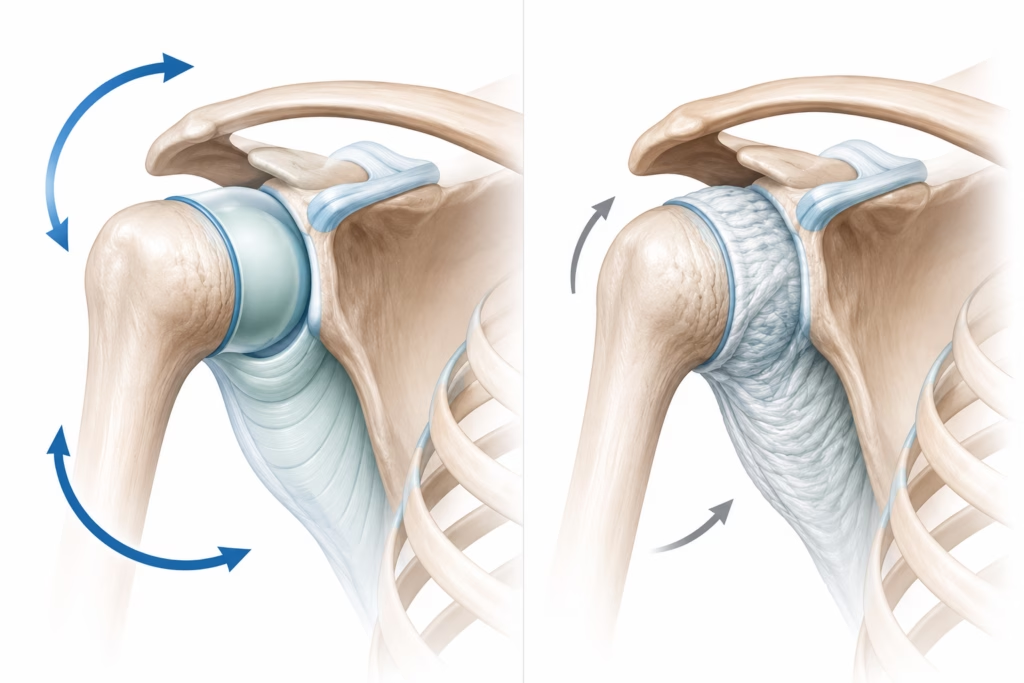
Frozen shoulder, also called adhesive capsulitis, is a condition that causes pain and significant stiffness in the shoulder. To understand it in simple terms, imagine your shoulder as a ball-and-socket joint surrounded by a flexible bag.
The ball needs to move and rotate smoothly inside the socket so you can move your arm in different directions. Now imagine that the flexible bag surrounding the joint becomes tight, irritated, and stiff.
The shoulder gradually loses its freedom of movement. As a result, you may experience pain, stiffness, and difficulty performing normal movements.
You may find it difficult to:
- Raise your arm above your head
- Reach behind your back
- Put on or remove clothing
- Comb or wash your hair
- Reach for objects on a high shelf
- Sleep comfortably on the affected side
- Perform normal daily activities
Frozen shoulder is primarily diagnosed through the person’s history and physical examination, because several other shoulder conditions can cause pain and restricted movement.
What Is the Role of Cupping Therapy?
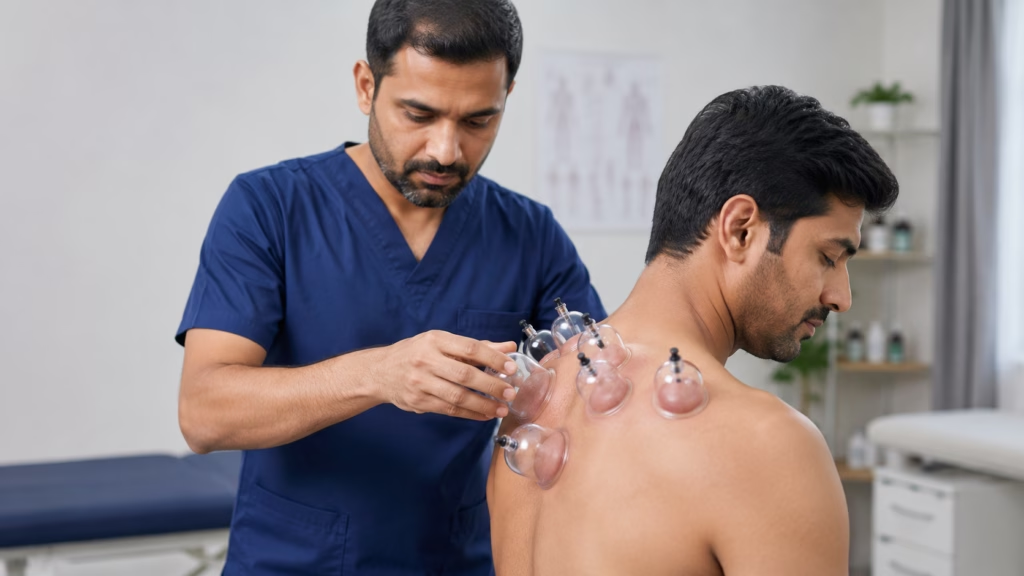
Cupping therapy involves placing cups on the skin and creating suction.
The suction pulls the skin and superficial tissues upward. Depending on the type of cupping used, the cups may remain in one position or be moved across the skin. Cupping is used in some settings to help manage musculoskeletal pain and muscle tightness.
Recent research has found that cupping may reduce pain in people with chronic musculoskeletal pain, but the overall evidence is still considered uncertain or variable, and these findings cannot automatically be applied to frozen shoulder specifically.
So, what might cupping contribute when someone has a painful or stiff shoulder?
1. It May Help With the Feeling of Muscle Tightness
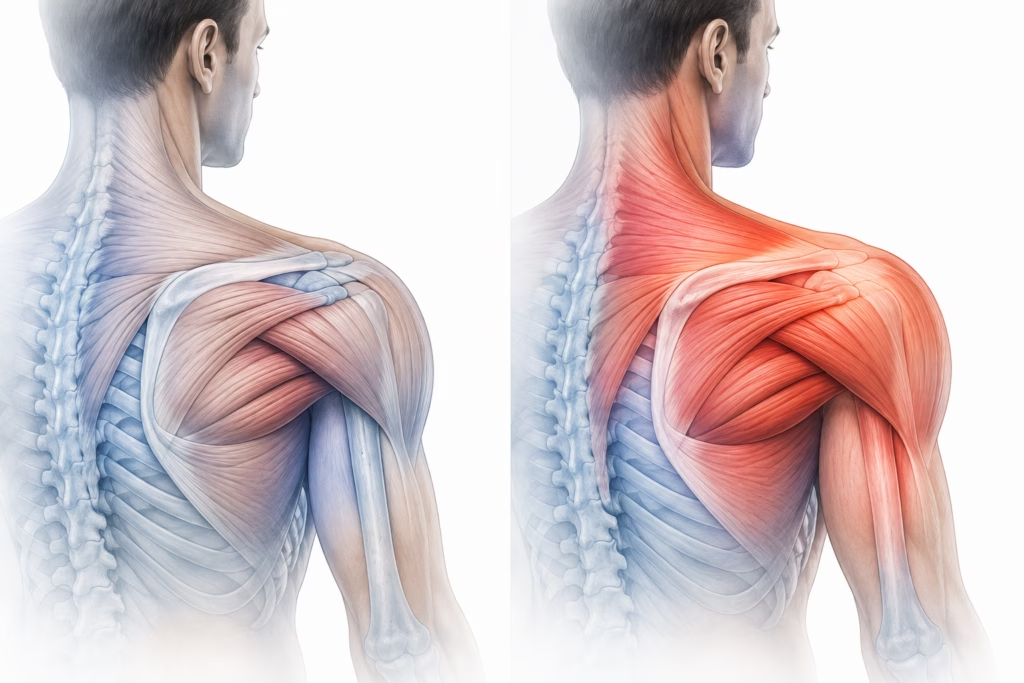
When your shoulder hurts, the muscles around it may become tense or protective. Some people report that cupping makes the treated area feel more relaxed afterward. However, it is important to be precise here:
Cupping should not be presented as a proven way to physically loosen the frozen shoulder capsule itself. Its possible effect is more appropriately described as symptom support around the painful or tight area.
2. It May Temporarily Reduce Pain or Discomfort
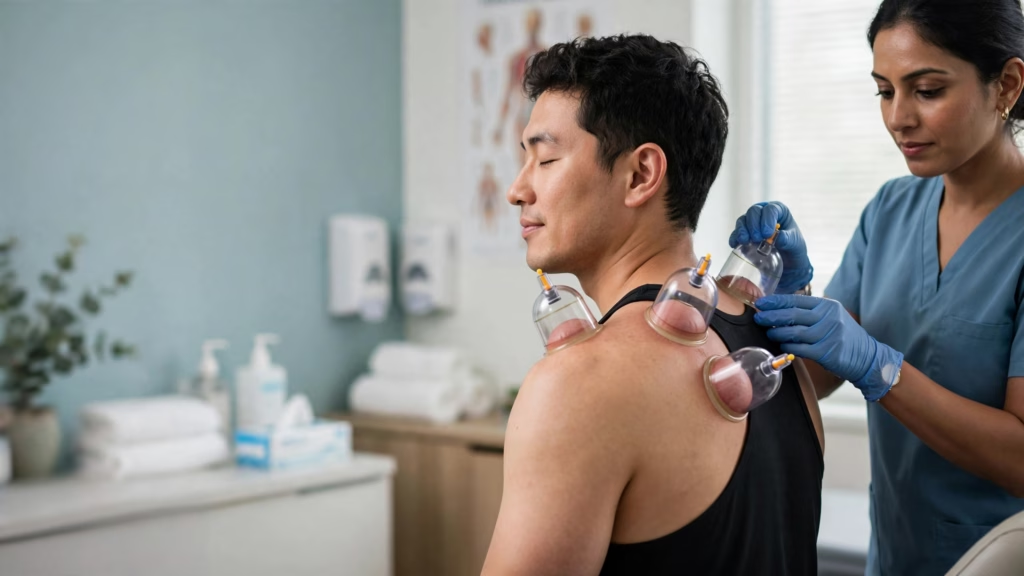
Some people experience temporary pain relief following cupping. Research on cupping for chronic musculoskeletal pain has reported reductions in pain, although the studies vary considerably in quality, treatment methods, and the conditions being treated.
This means that a person may feel more comfortable after treatment. But there is an important distinction:
Feeling less pain does not necessarily mean that the underlying frozen shoulder has been corrected. Pain relief and restoration of shoulder movement are related, but they are not the same thing.
3. It May Make Movement Feel More Comfortable

If a person’s pain or surrounding muscle tightness temporarily decreases, shoulder movement may feel easier. This could potentially make it more comfortable to perform an appropriate exercise or physiotherapy programme.
Think of it this way:
Cupping may reduce discomfort → movement may feel easier → exercises may become more comfortable → rehabilitation can continue.
However, this is best viewed as a possible supportive pathway, not as proof that cupping itself restores shoulder mobility.
Can Cupping Actually “Unfreeze” the Shoulder?
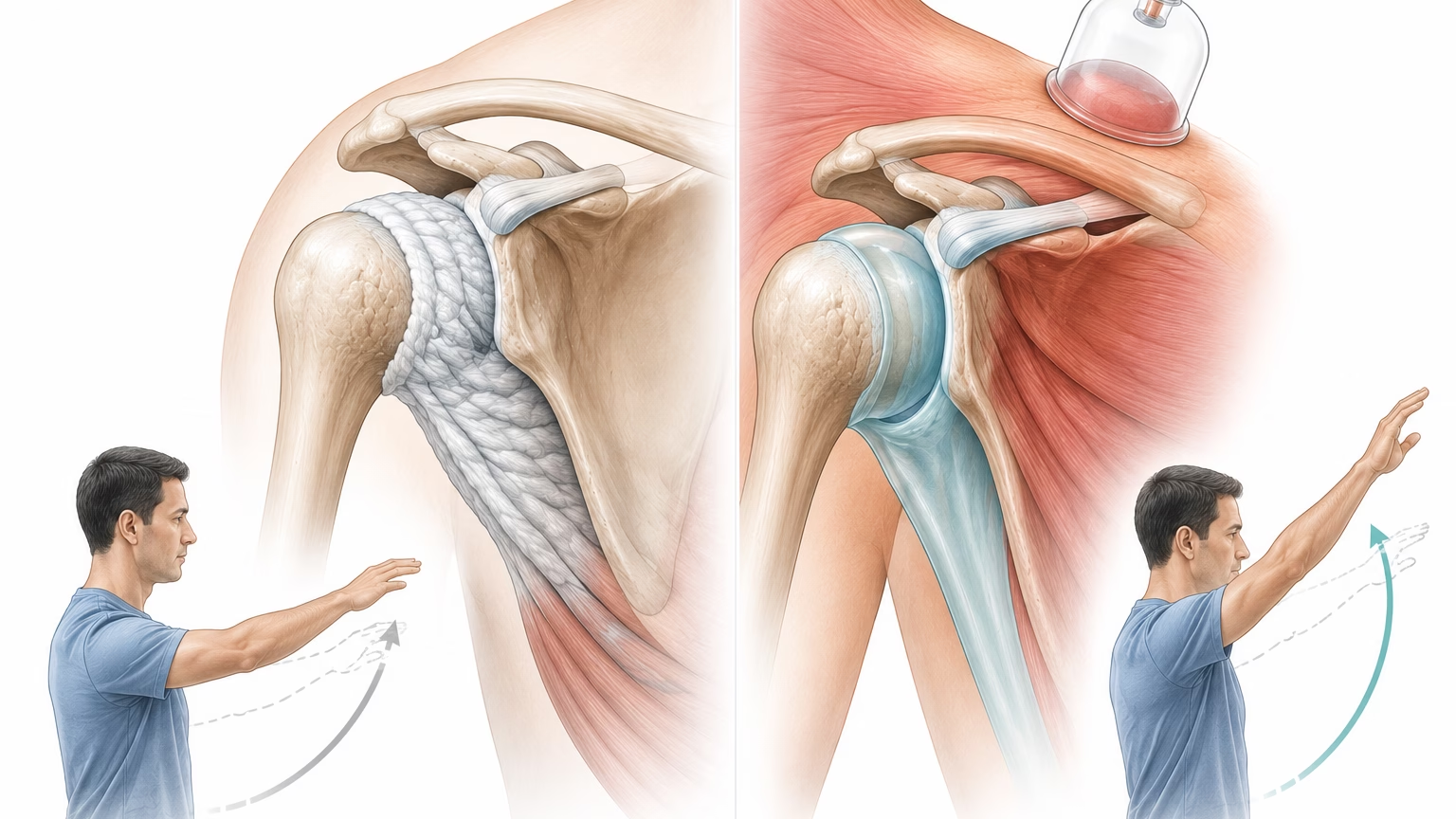
This is one of the most important questions.
Cupping should not be described as a treatment that literally “unfreezes” the shoulder.
Frozen shoulder involves changes and stiffness around the shoulder joint capsule. Managing it generally requires an approach based on the individual’s symptoms, stage of the condition, movement limitations, and overall health.
Current clinical guidance emphasizes non-surgical management and individualized treatment, including approaches such as therapeutic exercise and physical therapy where appropriate. Cupping may be considered an additional or complementary treatment, but the evidence specifically supporting cupping as a treatment for frozen shoulder is much more limited. That distinction matters.
What Does the Evidence Say About Cupping?

Cupping has been studied for different types of musculoskeletal pain.
A 2025 systematic review and meta-analysis found that cupping was associated with reduced pain intensity in people with chronic musculoskeletal pain. However, the researchers also noted substantial variation between studies, and the findings should not be interpreted as proof that cupping cures a particular condition such as frozen shoulder.
This gives us a useful middle ground: There is some evidence that cupping may help with pain in certain musculoskeletal conditions.
But: There is not enough high-quality evidence to claim that cupping alone treats or cures frozen shoulder. That is why a responsible practitioner should avoid promising that cupping will “break the stiffness,” “remove the frozen shoulder,” or guarantee recovery.
Cupping vs. Rehabilitation for Frozen Shoulder

It is helpful to understand the difference.
Cupping therapy
Cupping may potentially help with:
- Temporary pain relief
- Feeling of muscle tightness
- Local comfort
- Tolerance of movement in some individuals
Rehabilitation and exercise
Appropriate rehabilitation may focus on:
- Restoring shoulder movement
- Improving flexibility
- Gradually improving strength
- Improving daily function
- Managing pain during movement
Exercise and physical therapy have a more established role in the management of frozen shoulder than cupping alone. Current clinical guidance recommends individualized non-surgical management based on the person’s presentation and needs.
Therefore, cupping is better viewed as a possible addition to rehabilitation rather than a replacement for it.
Does Everyone With Frozen Shoulder Need the Same Cupping Treatment?

No. This is another important point.
A person’s treatment should not be decided simply because they have “shoulder pain.” Different conditions can cause shoulder pain and restricted movement, and even people with frozen shoulder can have different levels of pain and stiffness.
A practitioner should consider factors such as:
- Age
- Severity of symptoms
- Duration of the problem
- Stage of frozen shoulder
- Skin condition
- Previous shoulder injuries
- Other medical conditions
- Medications
- Pain sensitivity
- Overall physical condition
- Other treatments the person is receiving
The goal should be appropriate treatment for the individual, rather than using the same technique and intensity for everyone.
Does Stronger Cupping Mean Better Results?
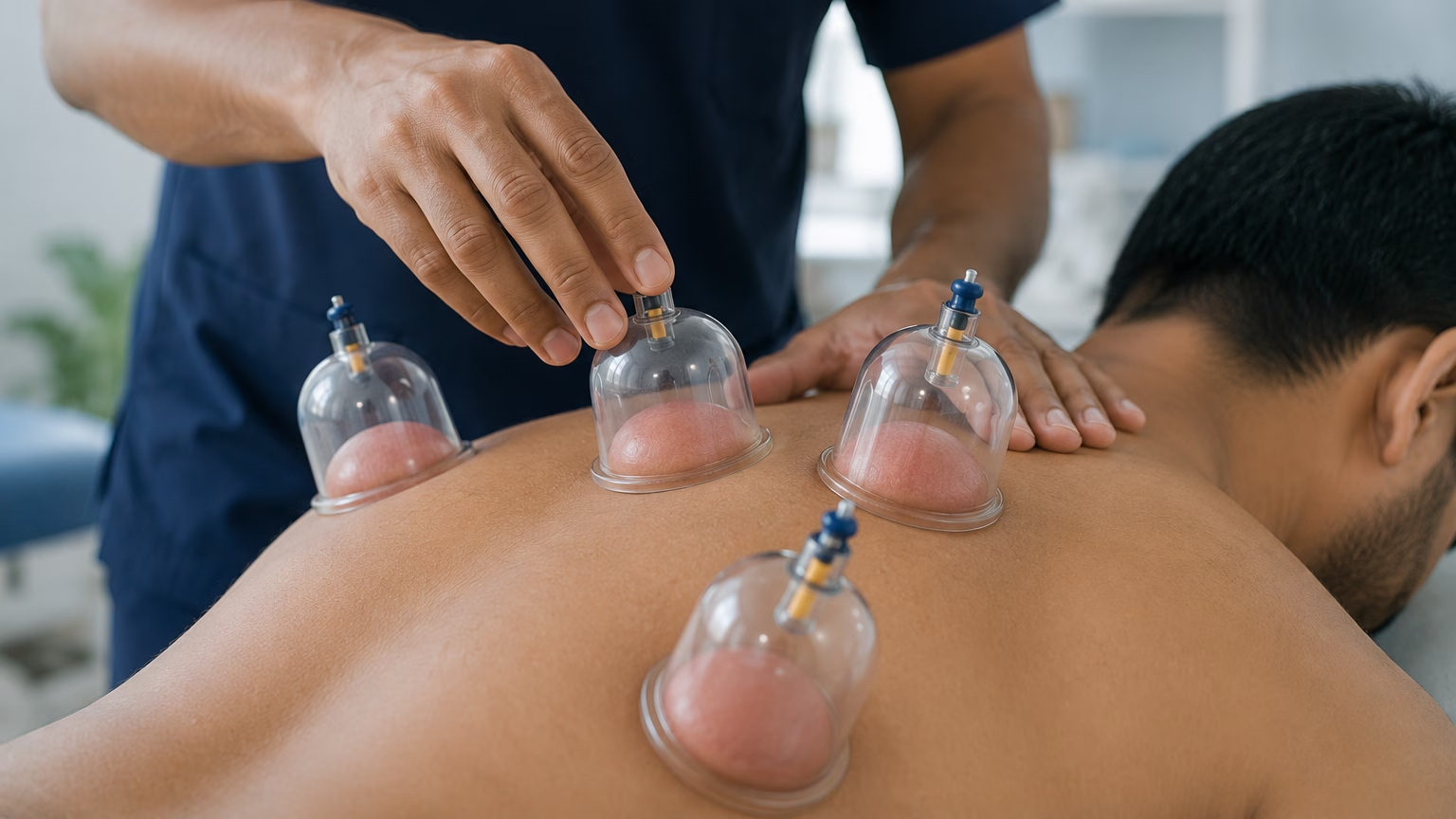
No. This is an important misconception.
Cupping creates marks on the skin because of the suction. The darkness of these marks does not reliably tell you how effective the treatment was. Similarly, experiencing more pain during cupping does not mean that more healing is taking place.
Aggressive suction can cause:
- Skin irritation
- Bruising
- Increased soreness
- Temporary discomfort
- In some cases, other adverse effects
Therefore, pain should not be used as a measure of treatment success. The aim should be an appropriate, well-tolerated treatment—not maximum suction or maximum discomfort.
What Should Cupping Be Used With?

If cupping is considered appropriate for an individual, it may be used alongside a broader shoulder-management plan. Depending on the person’s condition, this may include:
- Shoulder mobility exercises
- Appropriate stretching
- Strengthening exercises at the right stage
- Physiotherapy
- Manual therapy when appropriate
- Pain-management strategies
- Education about shoulder movement
- Medical evaluation when necessary
The exact programme should be individualized.
A person should also avoid forcing the shoulder aggressively simply because they have received cupping. Gentle, appropriate progression is generally more sensible than trying to push through severe pain.
When Should You Get Your Shoulder Assessed?

Not every painful or stiff shoulder is a frozen shoulder.
Shoulder symptoms can have several causes, including injuries and other musculoskeletal conditions. You should consider professional assessment if:
- Your shoulder pain is persistent
- Your shoulder movement is progressively becoming restricted
- Pain is interfering with sleep or daily activities
- The problem started after an injury
- You have significant weakness
- You experience numbness or tingling
- You have swelling, redness, or fever
- Your symptoms are severe or worsening
A proper assessment can help determine whether you actually have frozen shoulder and whether cupping is appropriate for you.
Cupping Therapy for Frozen Shoulder: The Simple Explanation
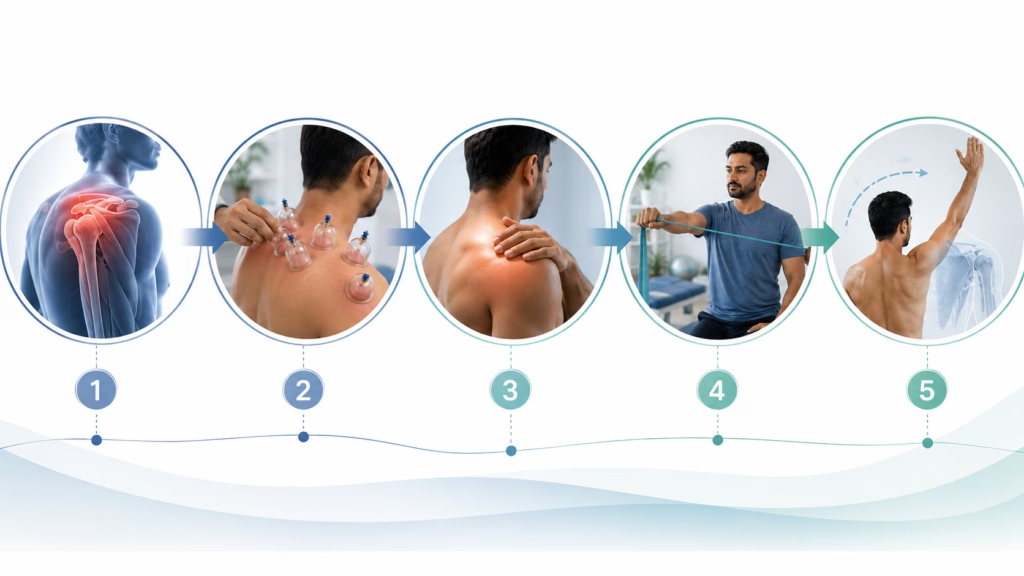
If we explain the whole concept in very simple terms:
Frozen shoulder
↓
The shoulder becomes painful and stiff
↓
Cupping may help some people with pain or surrounding muscle tightness
↓
The shoulder may temporarily feel more comfortable
↓
Movement exercises may become easier to tolerate
↓
Appropriate rehabilitation works toward improving movement and function
The important point is that cupping may be one part of the process, not the entire treatment.
Final Thought
Can cupping therapy help frozen shoulder?

It may help some people manage pain, discomfort, or the feeling of muscle tightness, particularly when used as part of a broader treatment plan. However, there is currently not enough strong evidence to say that cupping alone can cure frozen shoulder or physically “unfreeze” the shoulder joint.
The most responsible approach is to first understand what is causing the shoulder problem and then choose treatment based on the person’s individual condition.
For someone with confirmed frozen shoulder, cupping may be considered a complementary option, but it should not replace appropriate assessment, rehabilitation, exercise therapy, or medical treatment when these are indicated. Current clinical guidance supports individualized non-surgical management of primary frozen shoulder.
In simple terms:
Cupping may help you feel better. Rehabilitation helps work on getting you moving better.
The two should not be confused.
Frequently Asked Questions
1. Can cupping cure frozen shoulder?
There is not enough strong evidence to say that cupping alone can cure frozen shoulder. It may have a supportive role in managing symptoms for some people.
2. Can cupping reduce shoulder pain?
It may. Research on chronic musculoskeletal pain suggests that cupping can reduce pain in some people, although results vary and this evidence does not specifically prove a cure for frozen shoulder.
3. Can cupping improve shoulder movement?
Cupping may make movement feel more comfortable for some people if it temporarily reduces discomfort or muscle tightness. However, it should not be considered a proven method for restoring the restricted movement caused by frozen shoulder.
4. Should I exercise after cupping?
If exercise has been recommended for your condition, reduced discomfort may make movement easier to tolerate. However, exercises should be appropriate for your condition and should not be forced through significant pain.
5. Is painful cupping more effective?
No. More pain, stronger suction, or darker marks do not automatically mean better results.
6. Is cupping suitable for everyone with shoulder pain?
No. Shoulder pain can have different causes, and treatment should be selected after considering the person’s symptoms, health, and circumstances.
Medical Disclaimer
This article is for general educational purposes only. It does not provide an individual diagnosis or replace assessment and treatment from a qualified healthcare professional. If you have persistent, severe, worsening, or unexplained shoulder symptoms, seek appropriate professional medical advice.