Introduction

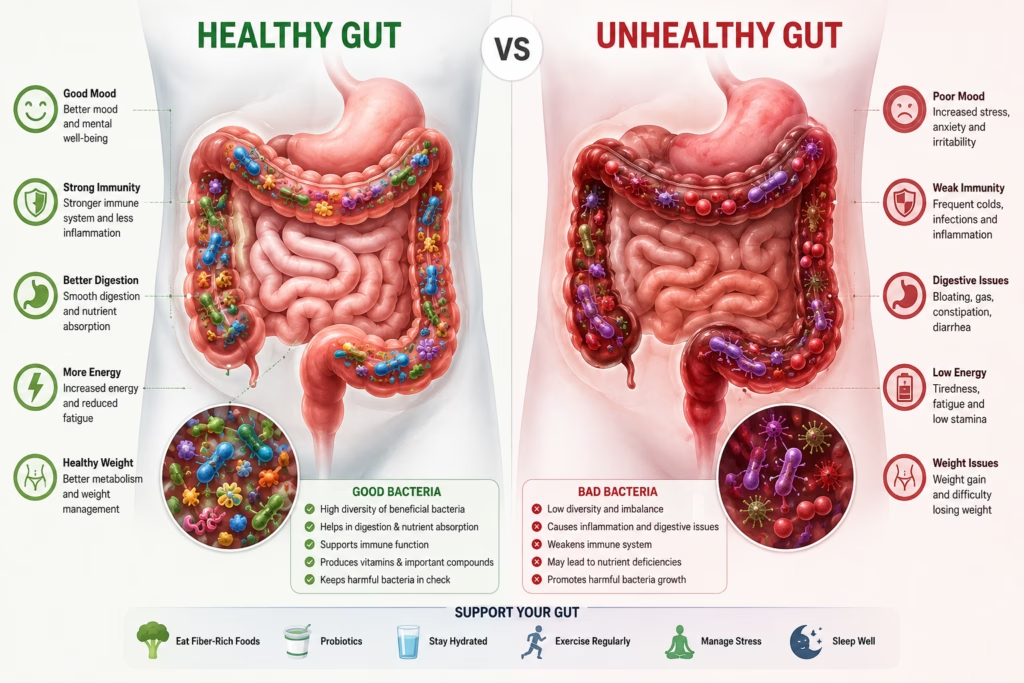
Have you ever noticed how some days your stomach feels light, comfortable, and energetic, while on other days you experience bloating, gas, constipation, or acidity?
Many people assume these problems are just “normal.”
They’re not.
Your digestive system is home to trillions of tiny microorganisms—known as the gut microbiome—that play a major role in your overall health. These beneficial bacteria don’t just help digest food. They influence your immunity, metabolism, mood, skin health, and even your brain.
In Ayurveda, digestion is considered the foundation of good health. Ancient Ayurvedic texts describe the digestive fire, or Agni, as the root of vitality. When digestion is strong, nutrients are absorbed efficiently, toxins are minimized, and the body functions optimally. When digestion becomes weak, imbalances begin to appear throughout the body.
The good news?
Improving gut health doesn’t require expensive supplements or trendy detoxes. In many cases, simple everyday foods can nourish your digestive system and help beneficial gut bacteria thrive.
In this guide, we’ll explore the best foods for gut health, how they work, and how Ayurveda complements modern understanding of digestive wellness.
What Is Gut Health?

Your gut includes the stomach, small intestine, large intestine, and the trillions of bacteria living inside them.
These microorganisms are collectively called the gut microbiome.
A healthy microbiome helps:
- Digest food efficiently
- Produce certain vitamins
- Strengthen the immune system
- Reduce inflammation
- Maintain healthy bowel movements
- Protect against harmful bacteria
- Support mental well-being
When the balance of good and bad bacteria is disturbed, digestive issues may develop.
Signs Your Gut May Need More Support

Your digestive system may be struggling if you frequently experience:
- Bloating
- Constipation
- Diarrhea
- Acid reflux
- Excessive gas
- Indigestion
- Bad breath
- Food sensitivities
- Frequent infections
- Low energy
- Skin problems
- Poor concentration
These symptoms don’t always indicate a serious illness, but they can suggest that your digestive system could benefit from healthier eating habits.
1. Yogurt – Nature’s Probiotic
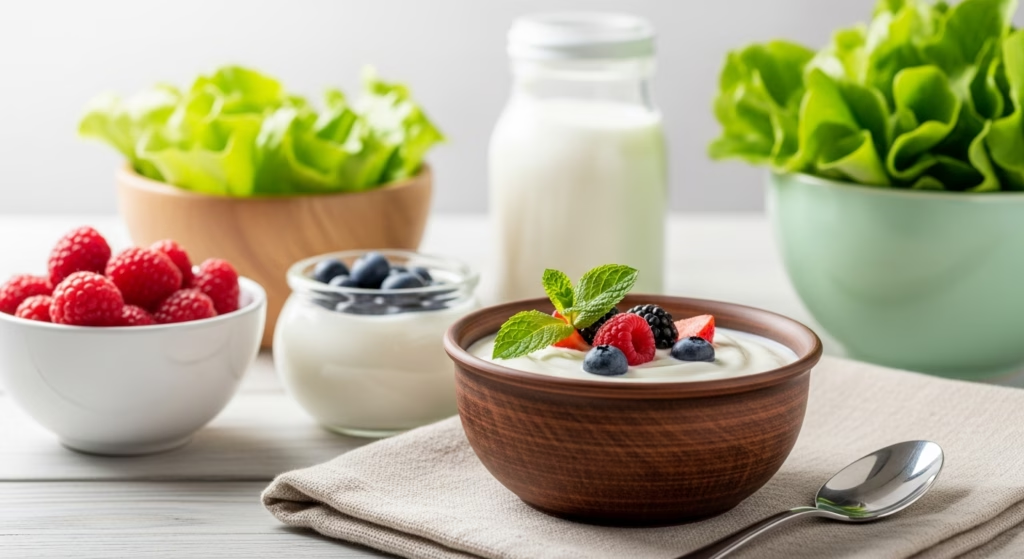
Fresh yogurt is one of the most well-known probiotic foods.
It naturally contains beneficial bacteria that help restore microbial balance inside the intestine.
Regular consumption may help:
- Improve digestion
- Reduce antibiotic-related diarrhea
- Support immunity
- Improve lactose digestion in some people
Ayurvedic Perspective
Fresh homemade yogurt is generally considered easier to digest than commercially flavored varieties. Ayurveda often recommends consuming yogurt during the daytime rather than at night and advises avoiding it during colds or congestion in some individuals.
Tip: Choose plain, unsweetened yogurt with live cultures.
2. Fermented Foods
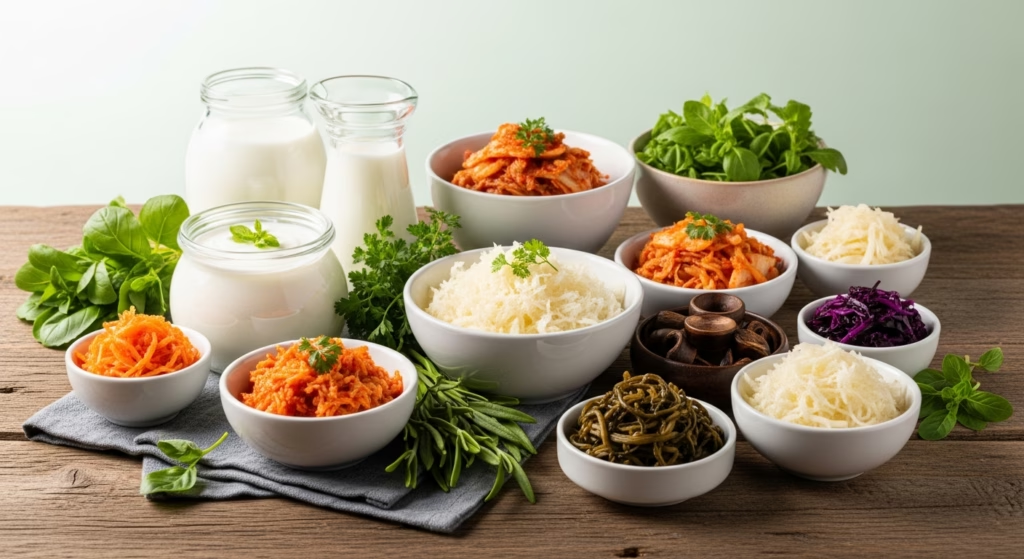
Fermentation naturally increases beneficial bacteria.
Examples include:
- Homemade curd
- Buttermilk
- Fermented rice
- Kimchi
- Sauerkraut
- Kefir
- Fermented vegetables
These foods introduce helpful microbes that may improve the diversity of your gut microbiome.
Benefits
- Better digestion
- Reduced bloating
- Improved immunity
- Enhanced nutrient absorption
3. Fiber-Rich Fruits
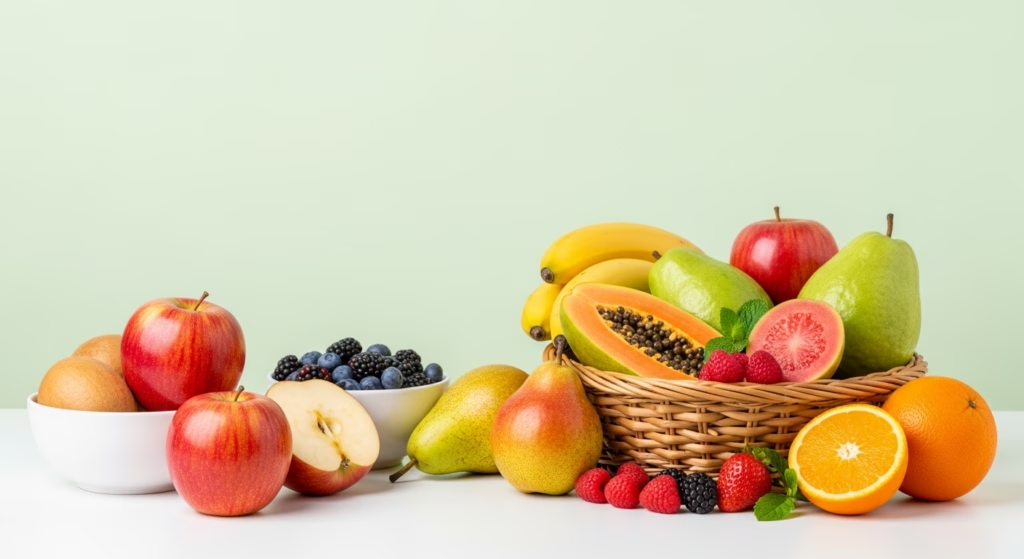
Fiber is one of the best nutrients for healthy gut bacteria.
Beneficial bacteria feed on fiber and produce compounds called short-chain fatty acids, which help maintain a healthy intestinal lining.
Excellent fruits include:
- Apples
- Bananas
- Pears
- Guava
- Papaya
- Berries
- Oranges
Papaya contains digestive enzymes that may aid protein digestion, while bananas contain resistant starch that feeds beneficial bacteria.
4. Green Leafy Vegetables
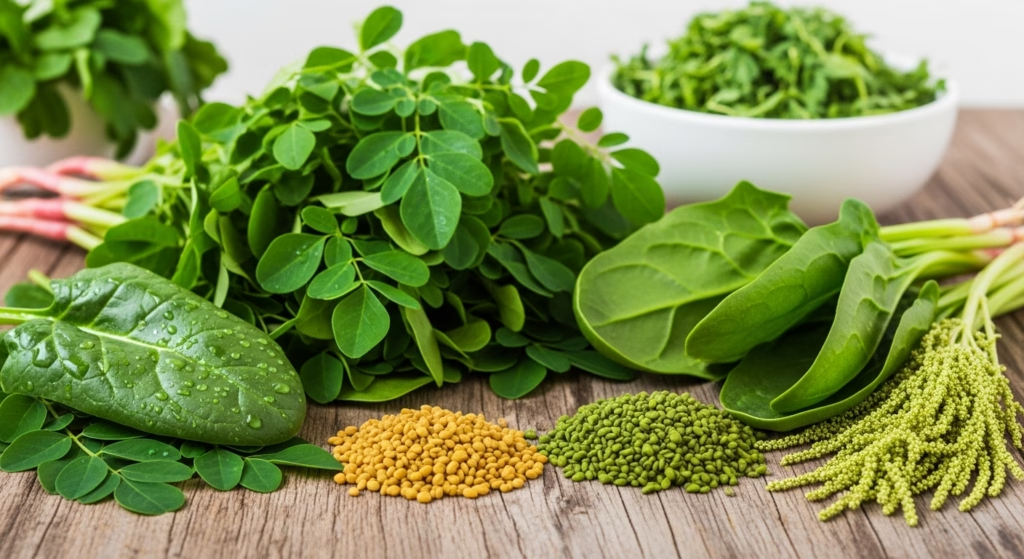
Leafy greens nourish both your body and your gut bacteria.
Examples include:
- Spinach
- Fenugreek leaves
- Amaranth
- Mustard greens
- Moringa leaves
These vegetables provide:
- Fiber
- Magnesium
- Folate
- Antioxidants
- Vitamins A, C, and K
Regular consumption supports smoother digestion and healthier bowel movements.
5. Whole Grains
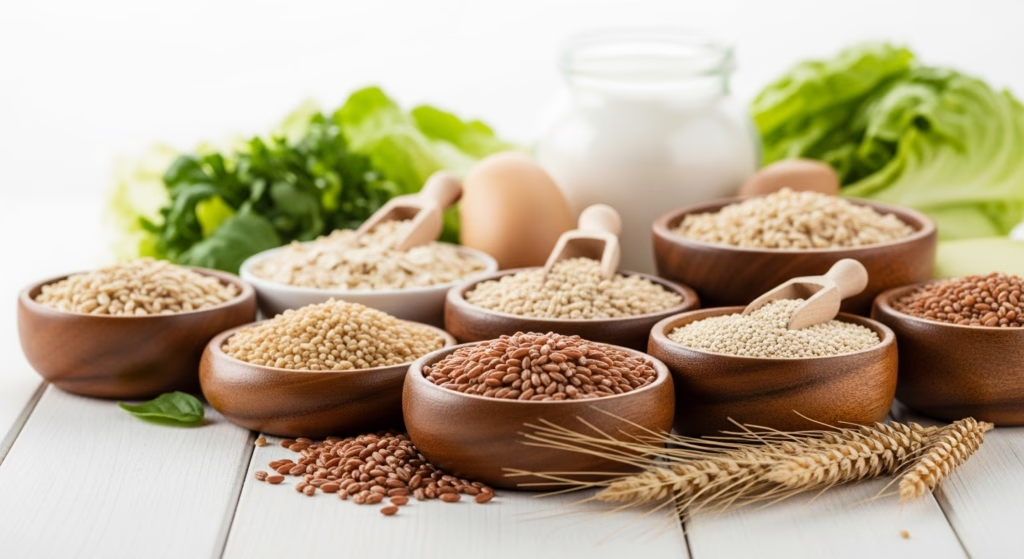
Whole grains contain complex carbohydrates and fiber that nourish beneficial bacteria.
Good choices include:
- Oats
- Brown rice
- Barley
- Millets
- Quinoa
- Whole wheat
Compared to refined grains, whole grains help maintain healthier digestion and support regular bowel movements.
6. Garlic and Onions

Although famous for adding flavor, garlic and onions also contain prebiotics.
Prebiotics are special plant fibers that feed beneficial bacteria already living inside your intestine.
Benefits include:
- Increased beneficial bacteria
- Better digestion
- Improved immune function
- Reduced harmful bacterial growth
7. Legumes
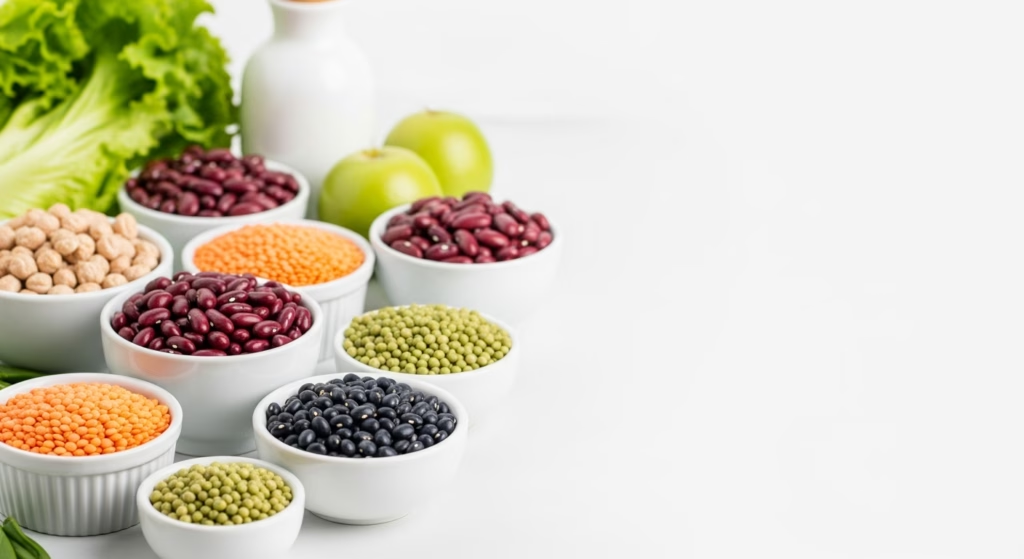
Beans and lentils are excellent sources of:
- Plant protein
- Fiber
- Resistant starch
- Minerals
Examples:
- Chickpeas
- Kidney beans
- Lentils
- Black beans
- Green gram
If legumes cause gas, soaking them overnight and cooking them thoroughly can improve digestibility.
8. Nuts and Seeds
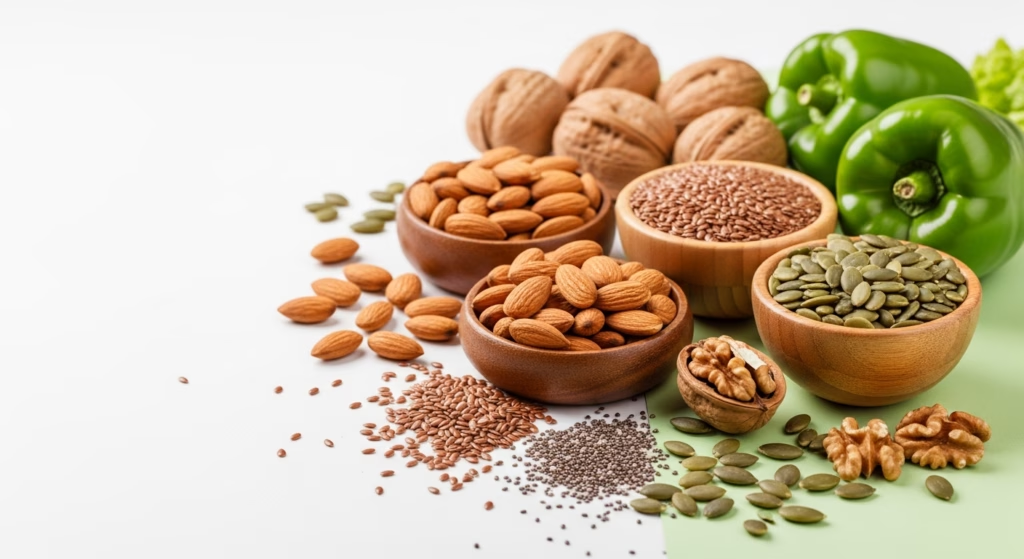
Healthy fats also contribute to digestive health.
Good choices include:
- Almonds
- Walnuts
- Flaxseeds
- Chia seeds
- Pumpkin seeds
They provide:
- Omega-3 fats
- Fiber
- Vitamin E
- Minerals
These nutrients support both gut bacteria and intestinal health.
9. Ginger
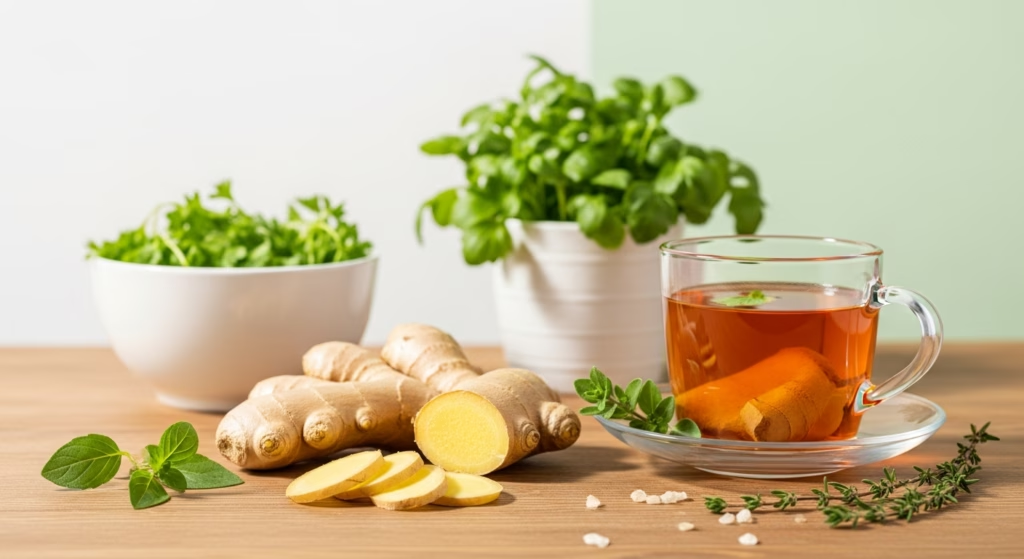
Ginger has been used for centuries in traditional medicine.
Research suggests it may:
- Improve stomach emptying
- Reduce nausea
- Ease bloating
- Support healthy digestion
Ayurvedic View
Ginger is widely used to stimulate digestive fire (Agni) and reduce sluggish digestion when appropriate for the individual.
A small piece of fresh ginger before meals is a traditional practice in some Ayurvedic approaches.
10. Papaya
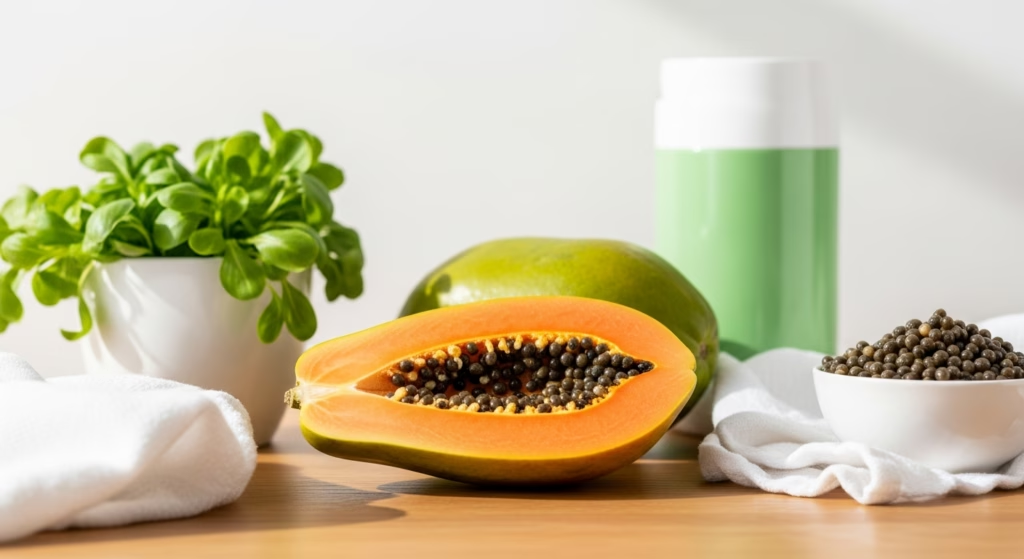
Papaya deserves special mention because it contains the enzyme papain, which assists protein digestion.
It may help reduce:
- Indigestion
- Constipation
- Bloating
It is also rich in vitamin C, vitamin A, and antioxidants.
11. Buttermilk
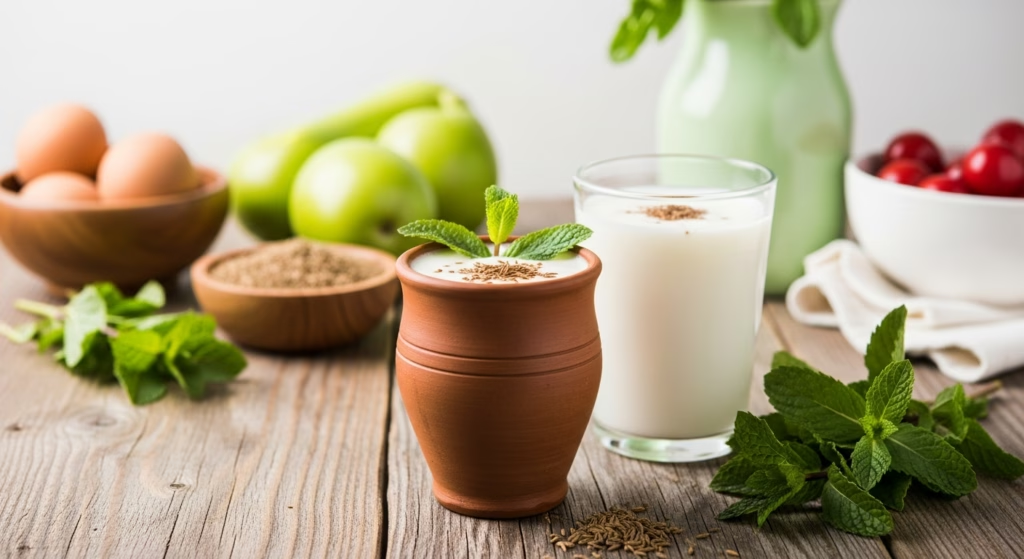
Traditional buttermilk is one of Ayurveda’s favorite digestive drinks.
Unlike commercial sweetened beverages, traditional buttermilk is lighter and easier to digest.
It may:
- Improve digestion
- Reduce bloating
- Help restore gut bacteria
- Support hydration
Adding roasted cumin powder, coriander, or mint may further enhance its digestive benefits.
12. High-Fiber Vegetables
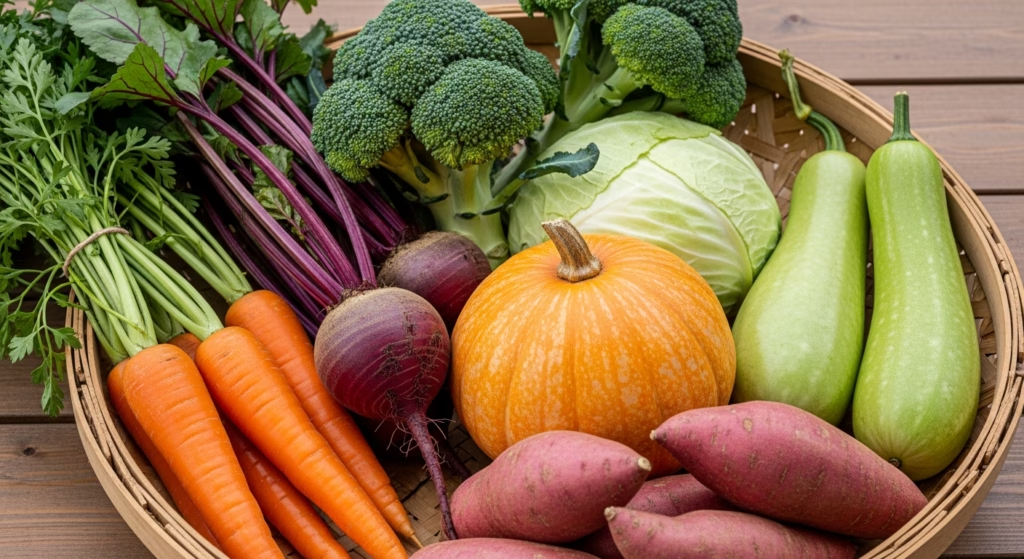
Vegetables rich in fiber include:
- Carrots
- Beetroot
- Broccoli
- Cabbage
- Pumpkin
- Sweet potato
- Bottle gourd
These foods improve stool consistency and feed beneficial gut bacteria.
Aim for a colorful variety each week.
Foods That May Harm Gut Health
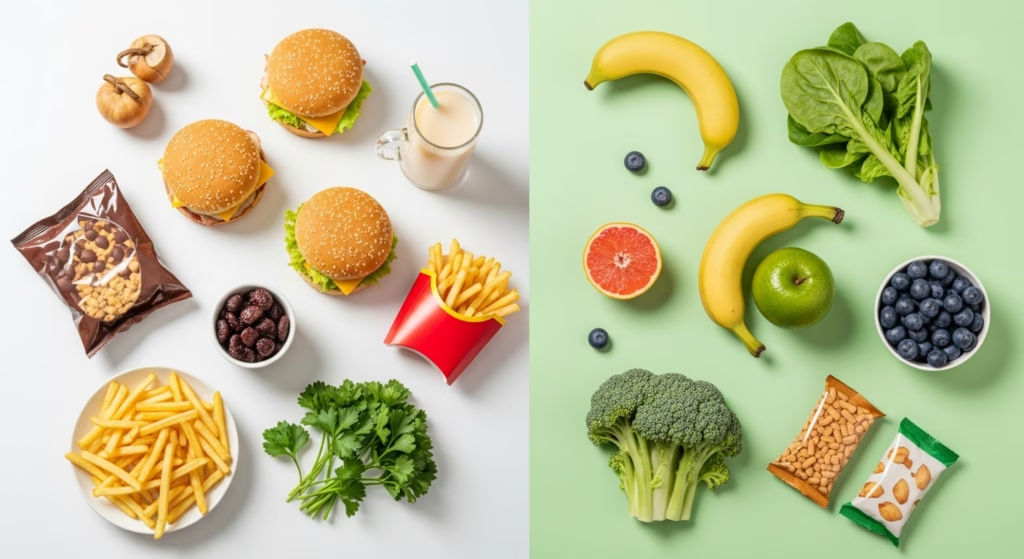
Improving gut health isn’t just about eating the right foods.
Limiting certain foods can also make a significant difference.
These include:
- Highly processed foods
- Sugary drinks
- Excess refined sugar
- Deep-fried foods
- Excess alcohol
- Processed meats
- Artificial sweeteners (in large amounts)
- Excessive fast food
These foods may reduce microbial diversity and promote inflammation when consumed frequently.
Simple Daily Habits for Better Gut Health

Food is only part of the equation.
Healthy daily habits also support digestion.
Try these habits:
- Eat meals at regular times.
- Chew food slowly.
- Stay hydrated.
- Sleep 7–9 hours.
- Exercise regularly.
- Manage stress.
- Avoid overeating.
- Include both probiotic and prebiotic foods.
- Eat enough dietary fiber.
- Limit unnecessary antibiotic use (only take them when prescribed).
Ayurvedic Tips to Improve Digestion Naturally
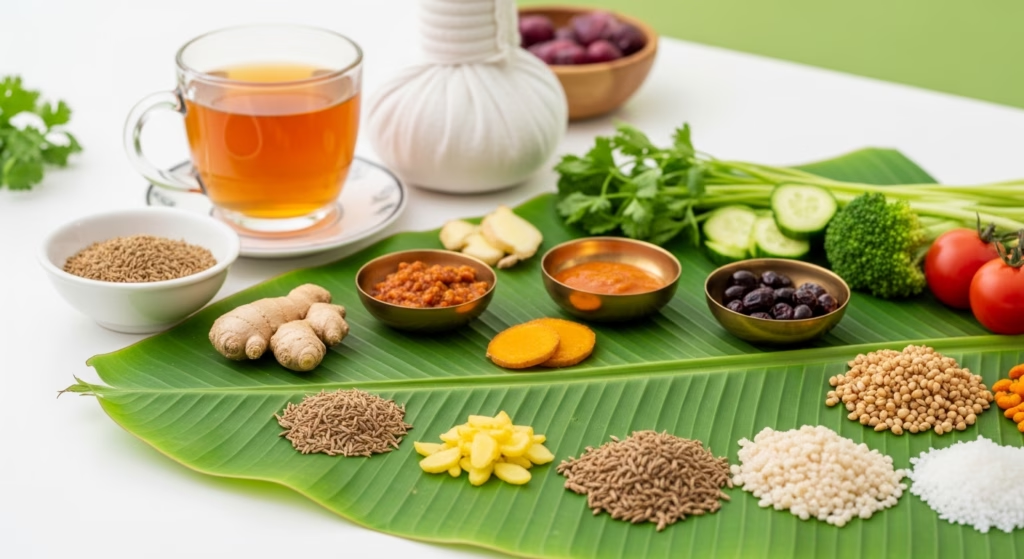
Ayurveda emphasizes that healthy digestion depends not only on what you eat but also on how you eat.
Some traditional recommendations include:
- Eat only when genuinely hungry.
- Avoid eating while stressed or distracted.
- Consume freshly prepared meals whenever possible.
- Sip warm water during the day if it suits you.
- Avoid very heavy meals late at night.
- Eat according to your digestive capacity rather than overeating.
These practices may support comfortable digestion alongside a balanced diet.
Sample One-Day Gut-Friendly Meal Plan
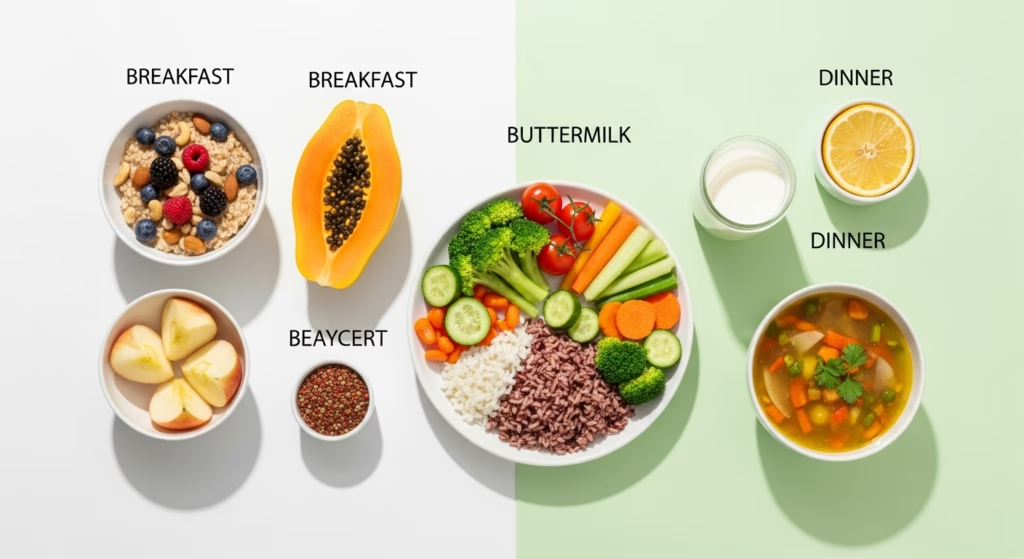
Breakfast
- Oats with banana and flaxseeds
- Plain yogurt
Mid-Morning
- Papaya
- Handful of almonds
Lunch
- Brown rice or millet
- Dal
- Mixed vegetables
- Fresh salad
- Buttermilk
Evening Snack
- Fruit
- Green tea or ginger tea
Dinner
- Vegetable soup
- Whole wheat chapati
- Steamed vegetables
Frequently Asked Questions

Which fruit is best for gut health?
Papaya, bananas, apples, berries, pears, and guava are excellent choices because they provide fiber and nutrients that support beneficial gut bacteria.
Are probiotics better than food?
For most healthy people, probiotic-rich foods such as yogurt and fermented foods are a good starting point. Probiotic supplements may be useful in some situations, but they should be chosen with guidance from a healthcare professional.
How long does it take to improve gut health?
Many people notice improvements in digestion within a few weeks of consistently eating more fiber-rich and fermented foods, though lasting changes to the gut microbiome can take longer.
Can Ayurveda help improve gut health?
Ayurveda places great emphasis on maintaining healthy digestion through balanced meals, mindful eating, and supporting Agni. These principles can complement modern nutrition but are not a substitute for medical treatment when needed.
Final Thoughts

A healthy gut is the cornerstone of overall well-being. The foods you eat every day shape the community of beneficial bacteria living inside your digestive system, influencing everything from digestion and immunity to energy levels and even mood.
Instead of relying on quick fixes or expensive supplements, focus on simple, nourishing habits. Include plenty of fiber-rich fruits and vegetables, whole grains, fermented foods, legumes, nuts, seeds, and traditional digestive foods like buttermilk and ginger. Combined with regular exercise, adequate sleep, hydration, and mindful eating, these choices can help your digestive system thrive.
Remember, there is no single “superfood” for gut health. Consistency and variety matter far more than any one ingredient. Small changes made every day can lead to significant improvements over time.