“I started running every morning, but after two weeks I gave up because my knees hurt.”
“I’ve only been walking for 45 minutes daily, and I’ve already lost 4 kg.”
If you’ve ever tried to lose weight, you’ve probably heard both stories.
Some people swear by running because it burns more calories.
Others believe walking is the secret to long-term fat loss.
So who’s right?
The truth is, both walking and running can help you lose weight—but the better choice depends on your body, fitness level, health conditions, and consistency.
Let’s explore the science behind both exercises and discover which one may work best for you.
Why Losing Weight Isn’t Just About Exercise

Many people think they gain weight because they don’t exercise enough.
In reality, weight gain usually happens because of a combination of factors:
- Sitting for long hours
- Driving instead of walking
- Stress eating
- Poor sleep
- Processed foods
- Sugary drinks
- Lack of daily movement
Imagine an office employee.
They wake up, sit during breakfast, drive to work, sit for 8-10 hours, drive home, watch TV, then sleep.
Even if they exercise for 30 minutes, they still spend most of the day inactive.
That’s why increasing daily movement is just as important as structured exercise.
Walking and running are two of the easiest ways to become more active.
How Does Weight Loss Actually Happen?

Before comparing walking and running, it’s important to understand one thing.
Your body loses weight when it burns more calories than it consumes.
This is known as a calorie deficit.
Exercise helps increase calorie expenditure, but your nutrition plays an equally important role.
In simple words:
You cannot out-run or out-walk an unhealthy diet.
The best results come from combining regular exercise, healthy eating, good sleep, and stress management.
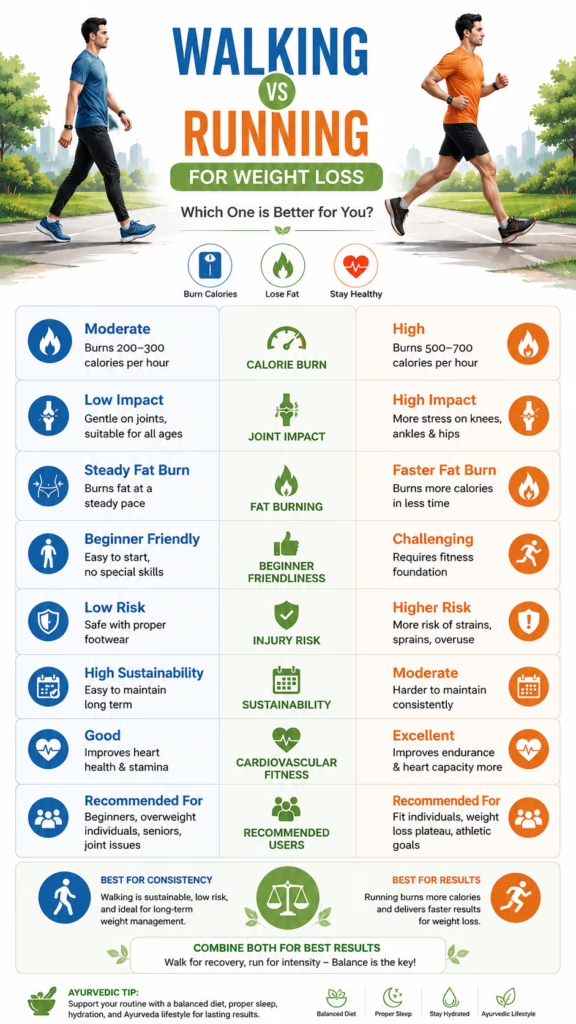
Walking vs Running: What’s the Difference?

| Walking | Running |
|---|---|
| Low-impact exercise | High-impact exercise |
| Easier on joints | Higher stress on knees and ankles |
| Suitable for beginners | Requires better fitness |
| Lower injury risk | Higher injury risk |
| Can be sustained longer | More physically demanding |
| Burns fewer calories per minute | Burns more calories per minute |
At first glance, running appears to be the obvious winner.
But there’s much more to the story.
Which Burns More Calories?

Running burns more calories in less time.
For example, a 70 kg person may burn approximately:
Walking (5 km/h)
- 30 minutes: 120–150 calories
- 60 minutes: 240–300 calories
Running (8 km/h)
- 30 minutes: 280–350 calories
- 60 minutes: 560–700 calories
So yes…
Running burns roughly twice as many calories in the same amount of time.
But calorie burn isn’t the only factor that determines success.
Why Walking Can Actually Be Better for Many People

This surprises many people.
Walking may burn fewer calories per minute, but many people stick with it for months or even years.
Running, on the other hand, is more intense.
Many beginners experience:
- Knee pain
- Shin pain
- Muscle soreness
- Breathlessness
- Fatigue
Eventually they stop exercising altogether.
Consistency always beats intensity.
Walking every day for a year is far more effective than running for two weeks and quitting.
Walking Is Ideal If You…

Walking is an excellent choice if you:
- Are overweight or obese
- Have knee pain
- Have back pain
- Have arthritis
- Are over 45 years old
- Are recovering from injury
- Are just starting your fitness journey
- Have low stamina
Walking places less stress on your joints while still improving overall health.
Running Is Better If You…

Running may be the better option if you:
- Already have good fitness
- Want faster calorie burning
- Enjoy high-intensity workouts
- Are training for races or sports
- Have healthy joints
Running also improves cardiovascular fitness more quickly than walking.
However, proper shoes, technique, and gradual progression are essential to reduce injury risk.
What About Fat Burning?

A common myth is that walking burns fat while running burns sugar.
The reality is more nuanced.
At lower intensities (such as walking), a higher percentage of the energy used comes from fat.
At higher intensities (such as running), a larger percentage comes from carbohydrates.
However, because running burns more total calories, it can still result in greater overall fat loss over time—provided you can recover well and maintain it consistently.
The most important factor remains your overall calorie balance across days and weeks.
Which Exercise Is Easier on Your Joints?
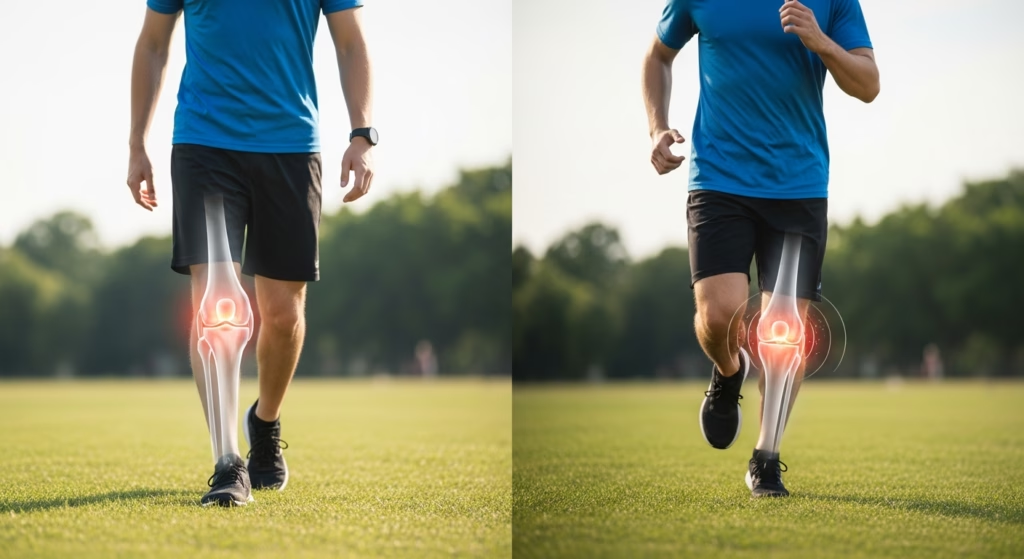
Walking clearly wins here.
Each running step generates significantly more impact on the knees, hips, and ankles than walking.
If you have:
- Knee pain
- Heel pain
- Plantar fasciitis
- Osteoarthritis
- Lower back pain
Walking is generally a safer starting point.
If pain persists or worsens with exercise, consult a qualified healthcare professional.
Walking vs Running for Belly Fat

Many people ask:
“Which one burns belly fat faster?”
The honest answer is…
Neither.
Your body cannot selectively burn fat from the abdomen.
As you lose body fat overall, your waistline gradually becomes smaller.
Whether you choose walking or running, combine it with:
- Balanced nutrition
- Adequate protein
- Good sleep
- Stress management
- Regular physical activity
That’s the proven formula for reducing body fat.
What Does Ayurveda Say?

From an Ayurvedic perspective, regular movement supports healthy digestion, circulation, and overall well-being.
Gentle daily walking is traditionally encouraged for many people because it promotes activity without placing excessive strain on the body.
Exercise should be appropriate for an individual’s constitution, age, strength, and current health status.
If you have chronic pain, obesity, or other medical conditions, it’s wise to seek personalized guidance before starting a vigorous exercise routine.
So… Which One Should You Choose?

Here’s a simple guide.
Choose Walking If:
✔ You’re new to exercise
✔ You have excess weight
✔ You have joint pain
✔ You want something sustainable
✔ You enjoy relaxing outdoor activity
Choose Running If:
✔ You’re already active
✔ Your joints are healthy
✔ You want higher calorie burn in less time
✔ You enjoy challenging workouts
✔ You’re training for performance
The Best Option? Combine Both

You don’t have to choose only one.
Many people benefit from combining both activities.
For example:
- Walk on recovery days
- Run 2–4 times per week if appropriate
- Aim for at least 7,000–10,000 daily steps (depending on your health and lifestyle)
- Gradually increase your activity rather than doing too much too soon
This balanced approach improves fitness while reducing the risk of overuse injuries.
Final Thoughts

Walking and running are both excellent forms of exercise.
Running burns more calories in less time.
Walking is easier to maintain, gentler on the joints, and suitable for a wider range of people.
The most effective exercise isn’t necessarily the one that burns the most calories—it’s the one you can do consistently.
If your goal is long-term weight loss, better health, and improved quality of life, focus on building a routine you genuinely enjoy and can sustain.
One step today is better than waiting for the “perfect” workout tomorrow.
Frequently Asked Questions (FAQs)

1. Is walking enough to lose weight?
Yes. If combined with a calorie-controlled, nutritious diet and done consistently, regular walking can contribute to meaningful weight loss.
2. How long should I walk daily for weight loss?
Many people benefit from 30–60 minutes of brisk walking most days of the week, though the ideal amount varies by fitness level and goals.
3. Is running bad for the knees?
Running isn’t inherently harmful for everyone, but beginners, people with existing joint problems, or those with poor technique may have a higher risk of injury. Progress gradually and wear appropriate footwear.
4. Which burns more belly fat?
Neither exercise targets belly fat specifically. Both help reduce overall body fat when combined with a calorie deficit and healthy lifestyle.
5. Can I alternate between walking and running?
Yes. Combining both activities is an excellent strategy to improve fitness, burn calories, and reduce repetitive strain.