

One of the biggest mistakes beginners make is expecting very fast weight loss.
Many people start dieting with thoughts like:
- “I want to lose 10 kg in one month.”
- “I want visible changes in 2 weeks.”
- “I want quick fat loss.”
Because of this, they start:
- starving themselves,
- skipping meals,
- removing all carbs,
- or doing extreme exercise.
This may reduce weight quickly in the beginning, but most of that early weight is usually:
- water weight,
- glycogen loss,
- or temporary weight fluctuations.
Real fat loss takes time.
A realistic and sustainable fat loss rate for most beginners is:
- around 0.5 to 1 kg per week.
This may sound slow, but it is far more sustainable and healthier for the body.
Losing weight too aggressively can lead to:
- muscle loss,
- low energy,
- poor sleep,
- increased cravings,
- binge eating,
- and loss of consistency.
The goal should not be:
“How fast can I lose weight?”
The better question is:
“How long can I realistically maintain this lifestyle?”
Volume eating works best when done consistently over months, not aggressively for a few days.
Tracking Progress Without Obsession

Many people become emotionally dependent on the weighing scale.
If the scale goes down:
- they feel successful.
If the scale goes up:
- they feel like the diet failed.
This mindset creates frustration because body weight naturally fluctuates due to:
- water retention,
- digestion,
- salt intake,
- hormones,
- stress,
- and sleep quality.
Instead of checking weight multiple times daily, track progress in a balanced way.
You can monitor:
- weekly body weight,
- waist measurements,
- energy levels,
- hunger control,
- sleep quality,
- workout performance,
- and how clothes fit.
Progress is not only about numbers.
Sometimes:
- cravings reduce,
- energy improves,
- binge eating decreases,
- and consistency becomes stronger before major weight loss appears.
That is also real progress.
Do not let the weighing scale control your mood every day.
Managing Cravings and Emotional Eating

One of the biggest reasons people struggle with dieting is emotional eating.
Many people do not eat only because of hunger.
They eat because of:
- stress,
- boredom,
- loneliness,
- frustration,
- anxiety,
- celebrations,
- or habit.
For example:
- watching movies and eating snacks,
- stress eating after work,
- eating sweets during emotional situations,
- or constantly searching for food while feeling bored.
Volume eating can help reduce cravings because the stomach stays fuller for longer. But emotional eating also needs awareness.
A few useful strategies include:
- eating meals regularly instead of starving,
- including enough protein and fiber,
- sleeping properly,
- reducing highly processed snacks at home,
- and identifying emotional triggers.
Sometimes the body is not asking for food.
The mind is asking for comfort, stimulation, or distraction.
Learning this difference is very important for long-term weight control.
Eating Out While Volume Eating

Many people think dieting means:
- avoiding restaurants,
- avoiding social events,
- or never eating outside food again.
This usually becomes mentally exhausting.
A better approach is learning how to make smarter decisions while still enjoying social situations.
Volume eating is not about perfection.
It is about improving food choices most of the time.
You can still:
- go to restaurants,
- attend parties,
- travel,
- and enjoy favorite foods occasionally
without completely losing progress.
The goal is not to fear food.
The goal is to improve control and awareness.
Restaurant Ordering Strategies

When eating at restaurants, calories can increase very quickly because many foods contain:
- excess oil,
- butter,
- sugar,
- sauces,
- and large portions.
A few practical strategies can help:
- start with soup or salad,
- choose grilled or roasted foods more often,
- prioritize protein,
- avoid ordering multiple fried sides,
- and share desserts when possible.
You do not need to make every meal “perfect.”
Even small adjustments can reduce calorie intake significantly.
For example:
- grilled chicken instead of fried chicken,
- plain rice instead of butter rice,
- or soda replacement with water.
These small decisions become powerful over time.
Fast Food Survival Guide

Fast food is designed to be:
- highly tasty,
- highly processed,
- and easy to overeat.
Completely avoiding fast food forever is unrealistic for many people.
The better strategy is learning portion control and smarter choices.
Instead of:
- large combo meals,
- sugary drinks,
- extra fries,
- and multiple desserts,
try:
- smaller portions,
- grilled options,
- protein-focused meals,
- water or diet drinks,
- and avoiding unnecessary add-ons.
One fast food meal does not destroy progress.
The real problem is:
repeated overeating without awareness.
Consistency matters more than perfection.
Buffet and Social Event Tactics

Buffets and parties can easily lead to overeating because:
- there is unlimited food,
- variety increases cravings,
- and people continue eating even after fullness.
A simple strategy is:
- first observe all food options,
- then choose calmly instead of filling the plate immediately.
Try prioritizing:
- protein,
- vegetables,
- salads,
- and controlled portions of calorie-dense foods.
Eat slowly.
Many people continue eating simply because food is available, not because they are hungry.
You can still enjoy:
- desserts,
- favorite dishes,
- and celebrations
without turning one meal into an entire weekend of overeating.
Alcohol and Liquid Calorie Awareness

Many people forget that drinks also contain calories.
Liquid calories are dangerous because they usually do not create the same fullness as solid foods.
Examples:
- alcohol,
- soda,
- milkshakes,
- sweet coffee drinks,
- packaged juices,
- and energy drinks.
These can add hundreds of calories very quickly without reducing hunger.
Alcohol can also:
- increase appetite,
- reduce food control,
- and encourage overeating.
This does not mean you must completely avoid alcohol forever.
The goal is awareness and moderation.
Reducing liquid calories alone can make a major difference in weight loss.
How to Stay Consistent
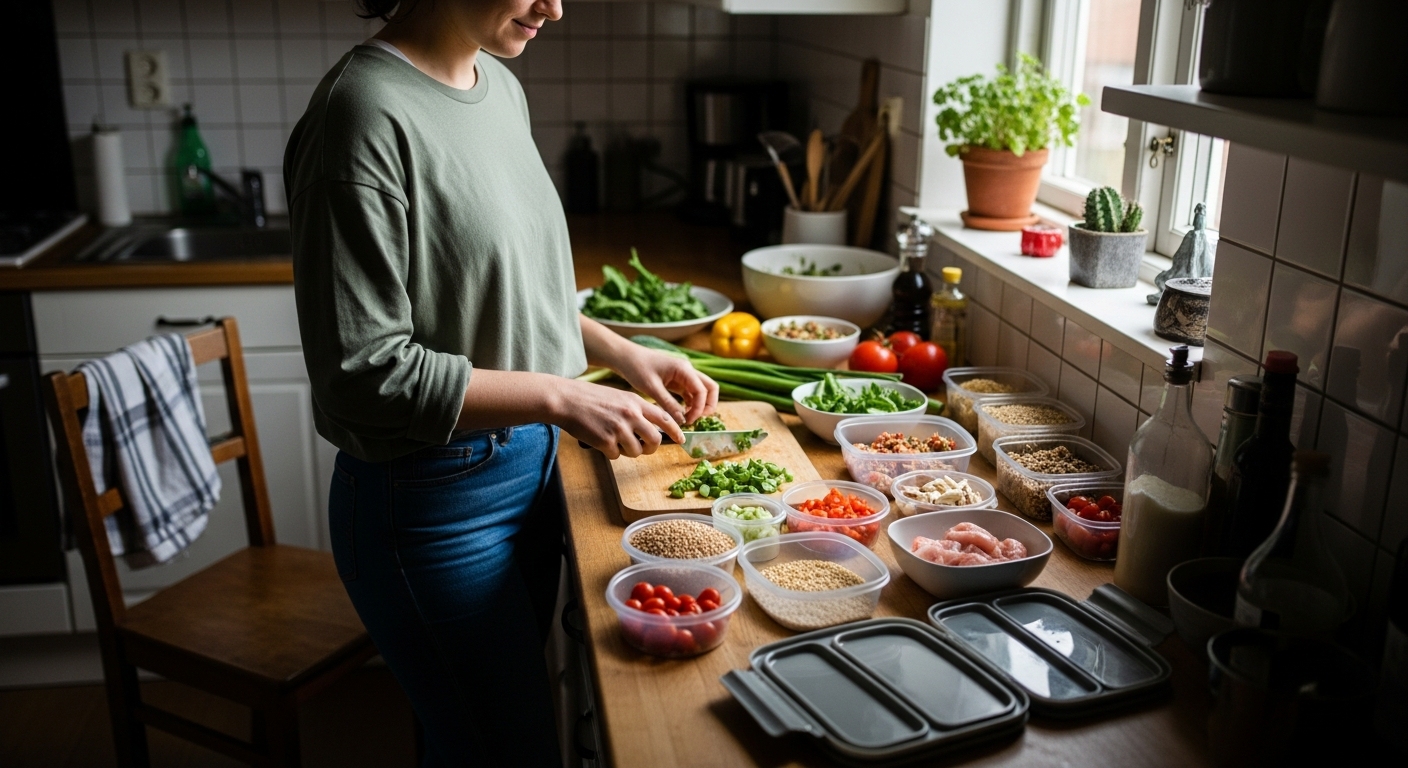
Consistency is more important than temporary motivation.
Many people stay extremely disciplined for:
- 5 days,
- 10 days,
- or 2 weeks,
then completely stop after one bad meal or one stressful day.
Real progress comes from:
repeating manageable habits for long periods.
A simple diet followed consistently is far more effective than an extreme diet followed for only a few days.
Volume eating works well because it reduces hunger and makes consistency easier.
Habit-Building Strategies

Successful weight loss usually comes from daily habits, not motivation.
A few useful beginner habits include:
- eating protein in every meal,
- drinking enough water,
- increasing vegetables,
- reducing liquid calories,
- walking daily,
- and sleeping properly.
Trying to change everything at once often leads to burnout.
A stronger approach is:
- start small,
- improve gradually,
- and repeat consistently.
Small habits become powerful when repeated for months.
Managing Hunger Psychologically

Not all hunger is physical.
Sometimes people feel:
- bored,
- stressed,
- emotionally tired,
- or mentally restless,
and they mistake those feelings for hunger.
This is called psychological hunger.
A few signs include:
- craving specific comfort foods,
- wanting snacks immediately after meals,
- stress eating,
- or eating while distracted.
Physical hunger usually builds gradually.
Psychological hunger often feels sudden and emotional.
Learning this difference improves food control significantly.
Dealing With Plateaus
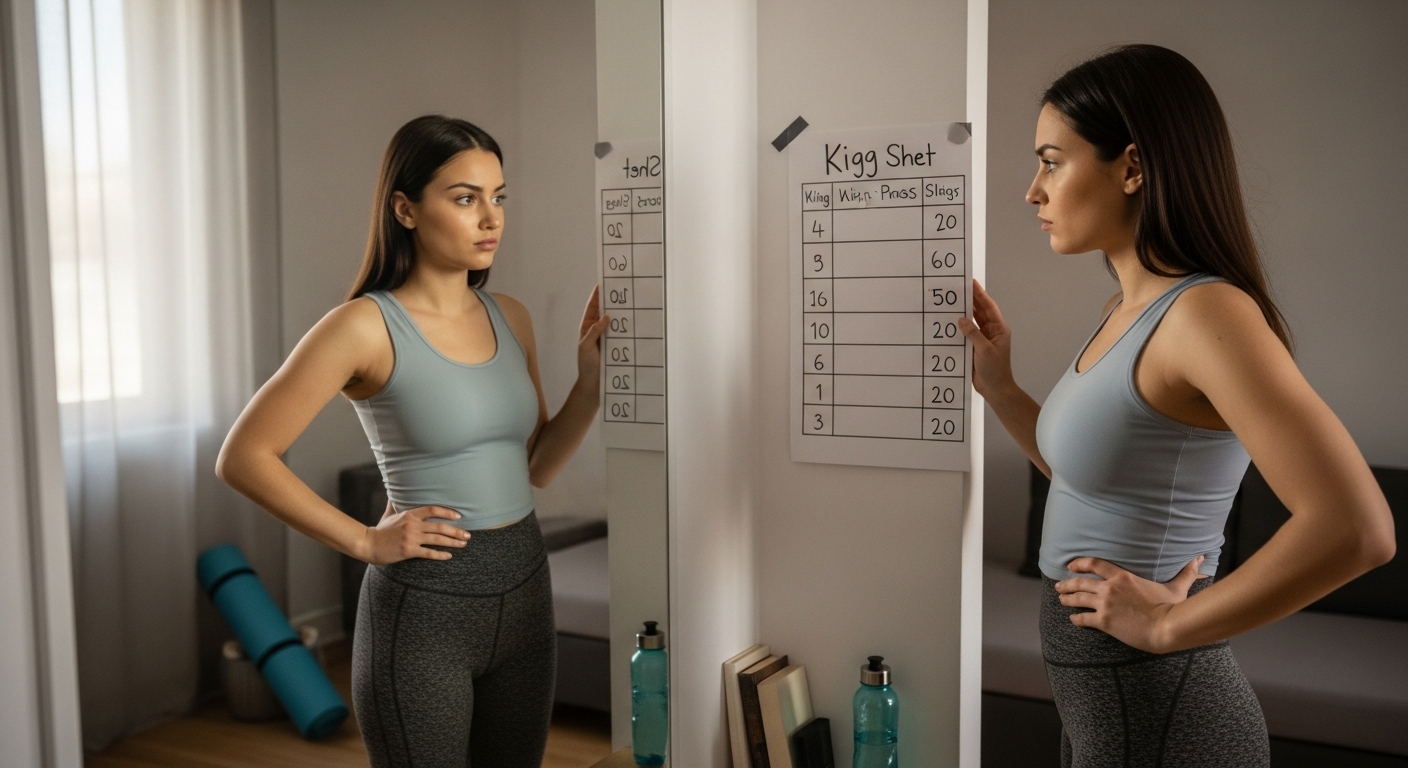
At some point during weight loss, progress may slow down.
This is completely normal.
Weight loss plateaus can happen because:
- the body adapts,
- activity levels reduce,
- calorie intake slowly increases,
- or water retention changes body weight temporarily.
Many people panic during plateaus and start:
- crash dieting,
- excessive cardio,
- or starving themselves again.
This usually creates more problems.
Instead:
- stay consistent,
- monitor portion sizes,
- continue strength training,
- and focus on long-term habits.
Sometimes the body simply needs time before progress continues.
Recovering After Overeating

One unhealthy meal does not ruin progress.
The bigger problem is:
turning one overeating episode into several days of uncontrolled eating.
Many people think:
- “I already broke the diet, so let me continue eating.”
This mindset creates repeated cycles of guilt and binge eating.
A better approach is simple:
- accept the overeating,
- avoid punishment,
- return to normal eating,
- and continue the routine at the next meal.
Do not:
- starve yourself the next day,
- overexercise,
- or emotionally punish yourself.
Long-term success depends more on recovery speed than perfection.
Long-Term Sustainability

The best diet is the one you can realistically maintain.
If a diet:
- makes you miserable,
- constantly hungry,
- socially isolated,
- or mentally exhausted,
it usually does not last long.
Sustainable weight loss should improve:
- health,
- energy,
- confidence,
- and relationship with food.
Volume eating works well long term because it allows:
- larger meals,
- flexibility,
- and reduced hunger.
The goal is not temporary dieting.
The goal is building eating habits you can follow for years.
Exercise and Volume Eating
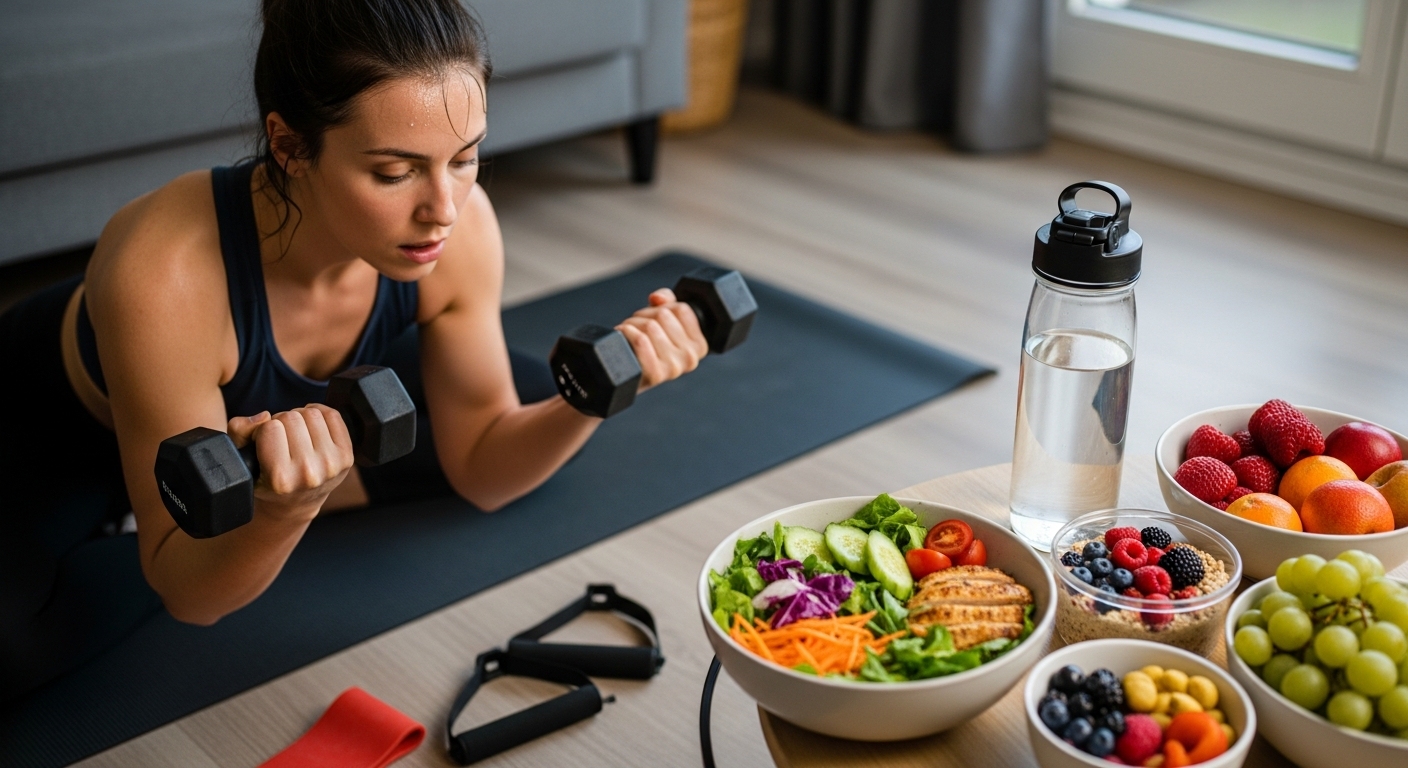
Exercise improves:
- fat loss,
- muscle retention,
- fitness,
- mental health,
- and long-term health outcomes.
But exercise alone cannot compensate for uncontrolled eating.
Volume eating and exercise work best together.
A balanced approach usually includes:
- strength training,
- walking,
- light cardio,
- and proper recovery.
Best Beginner Workouts

Beginners do not need extreme workout programs.
Simple and consistent workouts are enough in the beginning.
Good beginner exercises include:
- walking,
- cycling,
- bodyweight exercises,
- resistance band training,
- light gym training,
- and beginner strength workouts.
The main goal at the start is:
- building consistency,
- improving movement,
- and increasing activity gradually.
Overcomplicated workout plans often lead to quitting early.
Protein Timing Basics
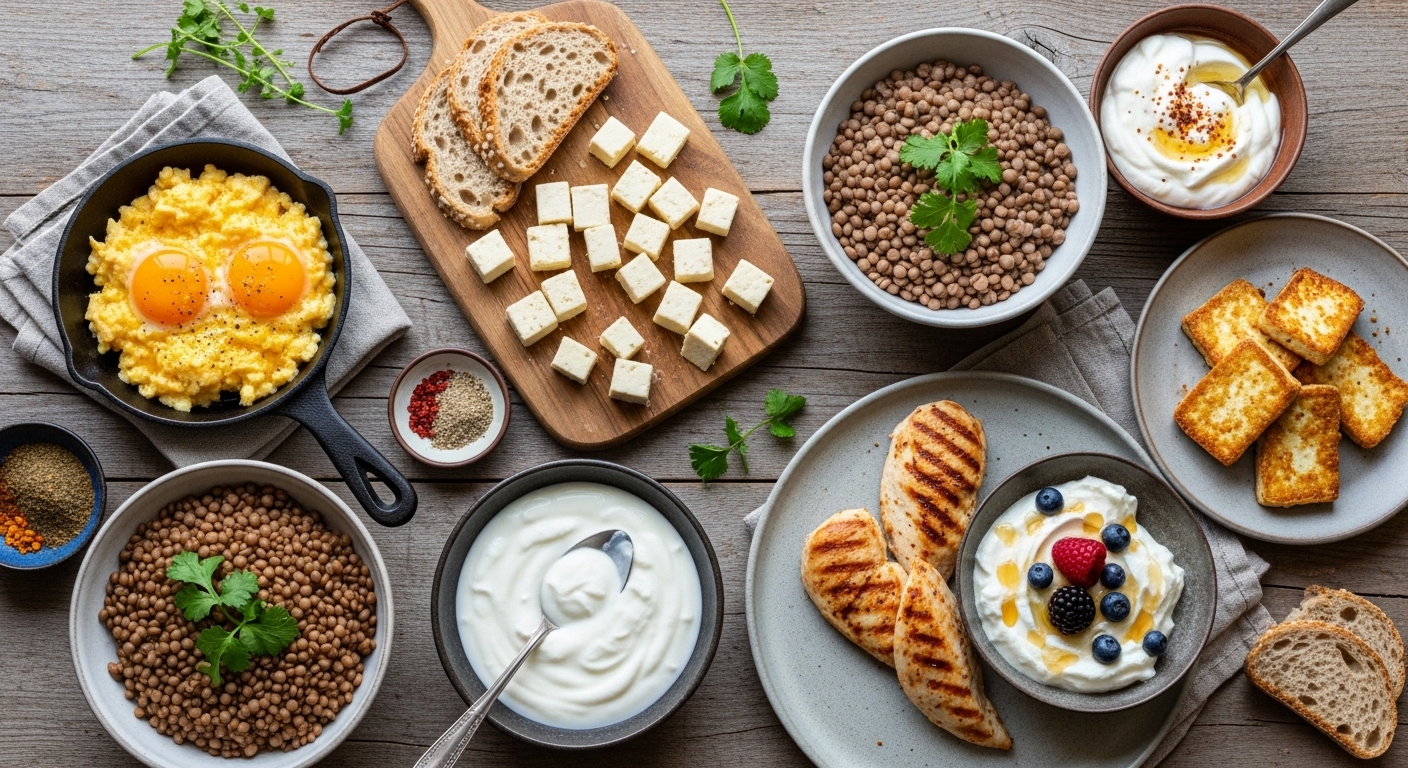
Protein is important for:
- muscle repair,
- recovery,
- fullness,
- and preserving lean muscle during fat loss.
Most people benefit from spreading protein intake throughout the day instead of eating it all in one meal.
Try including protein in:
- breakfast,
- lunch,
- dinner,
- and snacks if needed.
Examples:
- eggs,
- chicken,
- fish,
- paneer,
- curd,
- tofu,
- lentils,
- whey protein,
- or Greek yogurt.
The goal is consistent protein intake, not perfection.
Recovery and Energy Balance

Many beginners focus only on workouts and ignore recovery.
Recovery includes:
- sleep,
- hydration,
- stress control,
- and proper nutrition.
Without recovery:
- cravings increase,
- energy decreases,
- performance drops,
- and hunger becomes harder to control.
Fat loss should not leave the body constantly exhausted.
The body performs better when:
- calories are controlled reasonably,
- protein intake is adequate,
- and recovery is managed properly.
Combining Strength Training With Fat Loss

Strength training is one of the best tools during weight loss because it helps:
- preserve muscle,
- improve body composition,
- increase strength,
- and support metabolism.
Without strength training, aggressive dieting may lead to:
- muscle loss,
- weakness,
- and a “skinny-fat” appearance.
You do not need advanced bodybuilding workouts.
Even beginner resistance training 2–4 times per week can make a major difference.
The goal is:
lose fat while preserving muscle as much as possible.
Frequently Asked Questions
Can Volume Eating Slow Metabolism?

No. Volume eating itself does not slow metabolism.
Extremely aggressive dieting and severe calorie restriction may reduce metabolic rate over time because the body adapts to lower energy intake.
But volume eating usually focuses on:
- moderate calorie control,
- higher fullness,
- adequate nutrition,
- and sustainability.
This makes it easier to maintain weight loss without extreme starvation.
Is Fruit Too High in Sugar?

Whole fruits are generally healthy and useful for weight loss when eaten in reasonable portions.
Fruits contain:
- fiber,
- water,
- vitamins,
- and nutrients
that improve fullness compared to processed sweets.
The problem is usually not whole fruit.
The problem is excessive processed sugar intake from:
- desserts,
- sugary drinks,
- packaged snacks,
- and ultra-processed foods.
Whole fruits are far more filling and nutritious.
Can You Build Muscle While Volume Eating?
Yes, especially for beginners.
If:
- protein intake is adequate,
- strength training is included,
- and calorie deficit is moderate,
many beginners can lose fat and build some muscle at the same time.
This process is slower than aggressive bulking, but it is realistic for beginners and overweight individuals.
Do You Need to Count Calories?
Not always.
Many people naturally reduce calorie intake through:
- portion control,
- increasing high-volume foods,
- reducing processed foods,
- and improving food awareness.
However, calorie tracking can still help some beginners understand:
- portion sizes,
- eating patterns,
- and hidden calorie sources.
The goal is awareness, not obsession.
Is Volume Eating Safe Long Term?
For most healthy individuals, volume eating is generally safe when done in a balanced way.
The important part is maintaining:
- enough protein,
- healthy fats,
- proper nutrition,
- and variety in the diet.
Extreme restriction of calories or nutrients is not recommended.
Volume eating should support:
- health,
- energy,
- and sustainability,
not constant deprivation.
Final Beginner Action Plan

The Simplest Way to Start Today
Do not try to change everything in one day.
Start with small improvements:
- increase vegetables,
- reduce sugary drinks,
- include protein in meals,
- drink more water,
- and reduce highly processed snacks.
Even simple changes done consistently can create major results over time.
3 Habits That Create the Biggest Results
1. Prioritize Protein
Protein improves fullness and helps preserve muscle during weight loss.
2. Increase Food Volume
Use vegetables, fruits, soups, and high-fiber foods to stay full with fewer calories.
3. Stay Consistent
Long-term consistency matters more than short-term perfection.
What to Track in the First 30 Days
Instead of only tracking body weight, monitor:
- hunger levels,
- cravings,
- sleep,
- energy,
- waist measurements,
- workouts,
- and consistency.
These improvements often appear before major physical changes.
Building a Sustainable Lifestyle Instead of Another Diet
The goal of volume eating is not temporary dieting.
The goal is creating a healthier relationship with food that you can maintain long term.
A sustainable lifestyle should:
- reduce stress around eating,
- improve hunger control,
- support health,
- and fit realistically into daily life.
You do not need perfect eating habits, You need habits that are realistic enough to repeat consistently.
That is what creates lasting result.