

At Healers Ayurveda Therapy Center, we often see middle-aged and elderly patients recovering from paralysis, including people facing paralysis symptoms for the second time.
Paralysis recovery is usually a slow and gradual process. Along with medical treatment and physiotherapy, supportive Ayurvedic therapies may help improve comfort, body relaxation, stiffness, and mobility.
In Ayurveda, paralysis is mainly associated with aggravated Vata dosha. When Vata becomes imbalanced, it may affect movement, nerve coordination, muscle strength, and joint function.
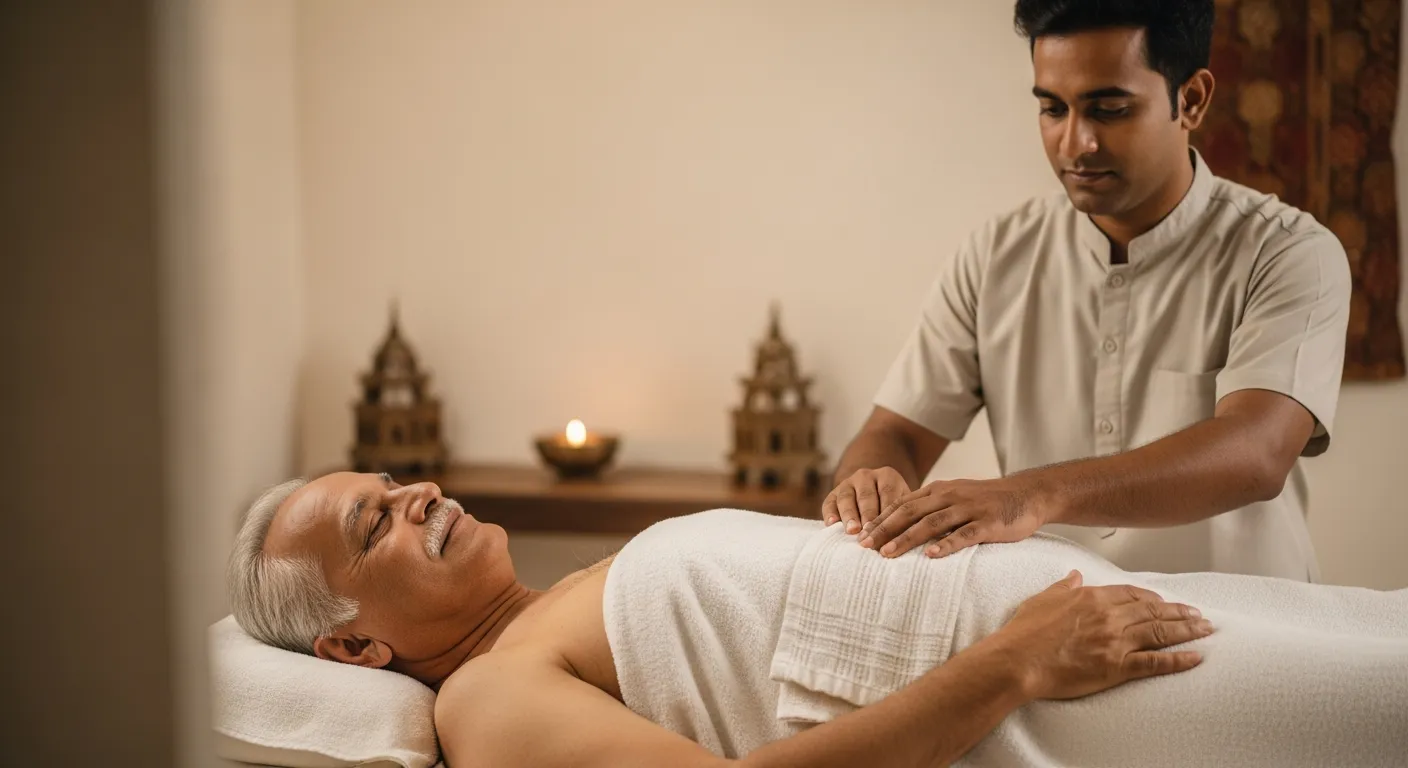
One commonly used supportive therapy in Ayurveda is Abhyangam with Anuloma massage technique.
Why Is Massage Done in a Downward Direction?
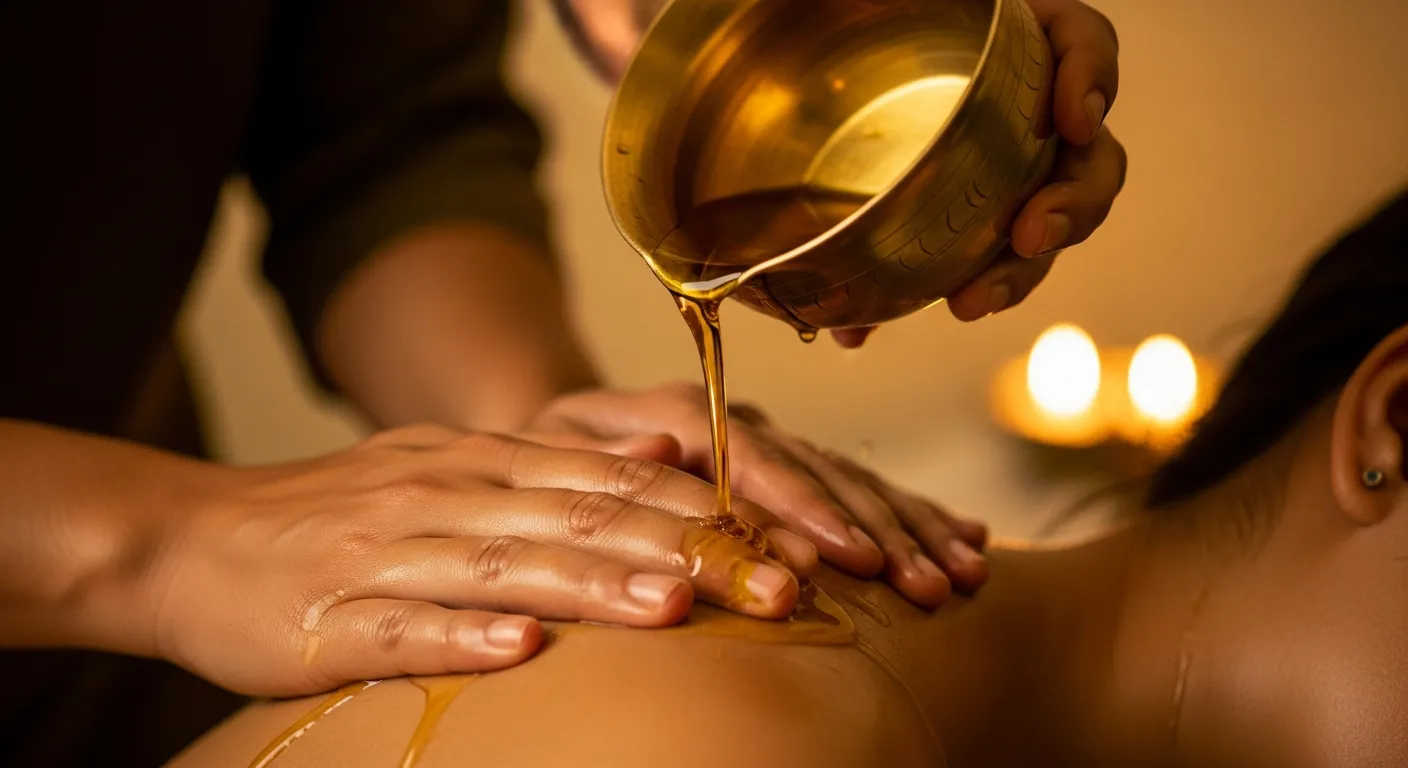
In paralysis-support therapies, massage is usually performed in a gentle downward direction, also called Anuloma direction.
This method is traditionally followed to help calm aggravated Vata and support smoother muscle relaxation. The strokes should always be gentle and controlled according to the patient’s condition, strength, and recovery stage.
The purpose of the therapy is not forceful massage. Instead, the focus is on:
- relaxation
- comfort
- circulation support
- stiffness management
- rehabilitation support
Many paralysis patients also lose confidence in their body movement over time, so gentle care and patience become equally important during recovery.
Oils Commonly Used in Paralysis-Support Therapies
The quality of the oil used during massage plays an important role in Ayurvedic therapy.
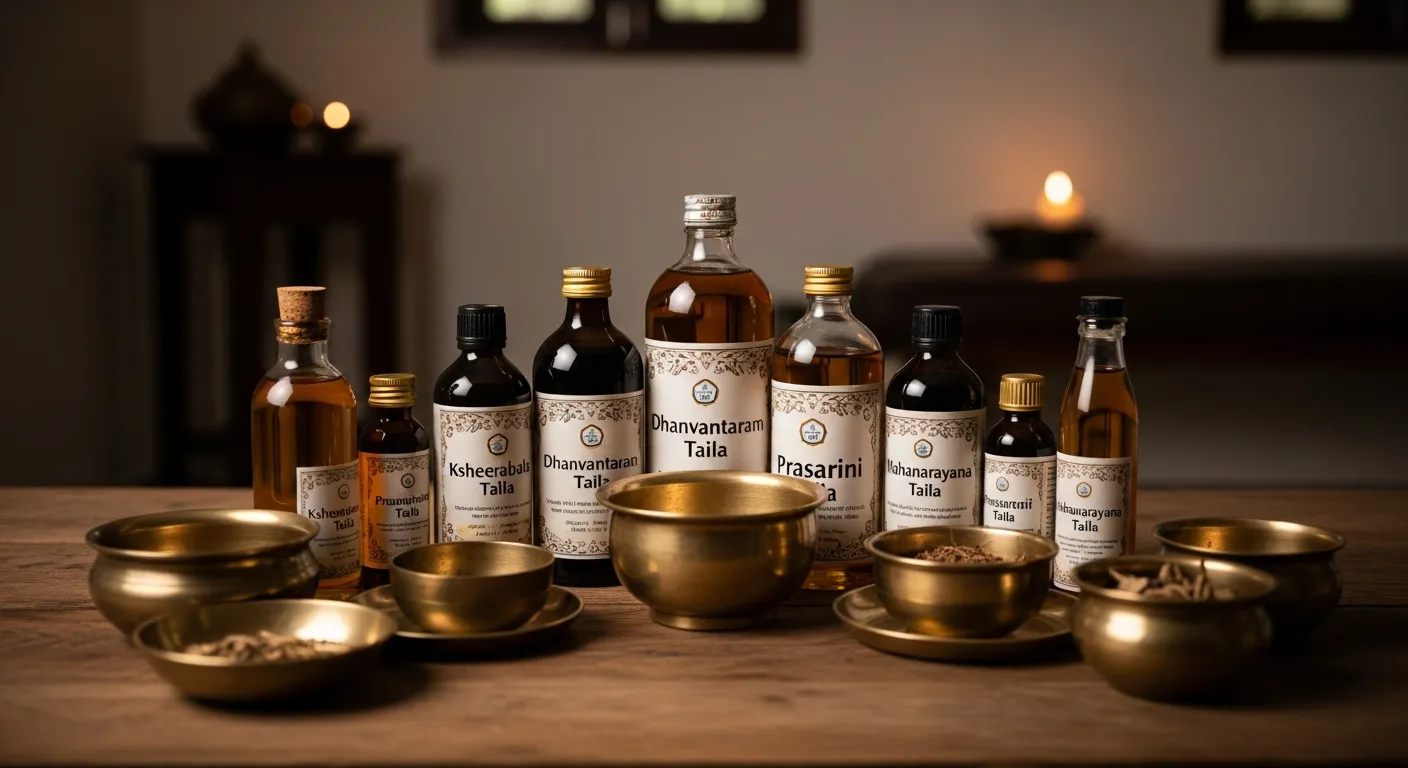
Some commonly used medicated oils include:
- Ksheerabala Taila
- Dhanvantaram Taila
- Prasarini Taila
- Mahanarayana Taila
These oils are traditionally used to support muscle nourishment, body relaxation, stiffness management, and Vata balance.
Warm Oil Should Always Be Used
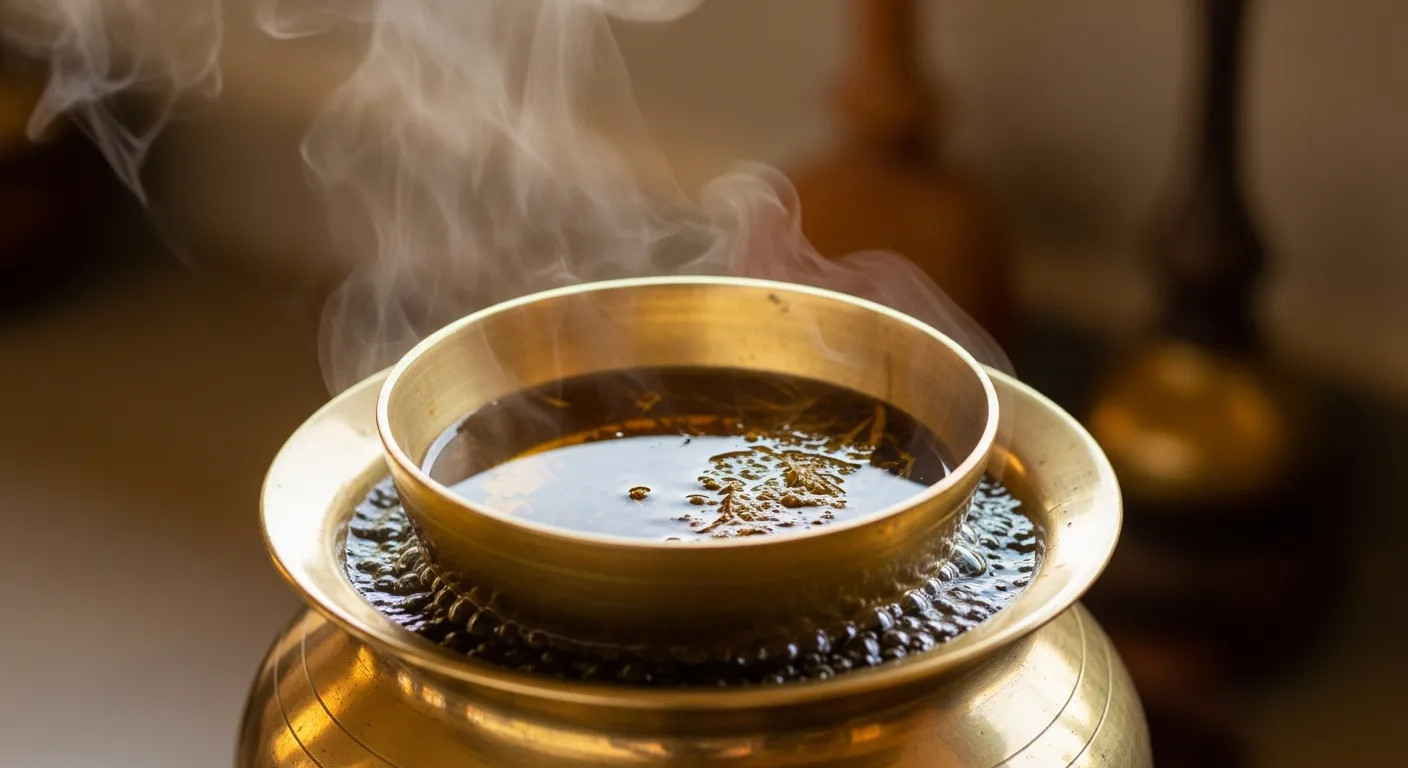
For Ayurvedic paralysis care, the oil should always be used warm.
The best method is to heat the oil using a double-boiling technique instead of directly heating it on a gas flame. Direct heating may affect the quality and therapeutic properties of the medicated oil.
Warm oil application may help the body feel more relaxed and comfortable during the therapy session.
Avoid Excessive Dilution of Oils
Medicated Ayurvedic oils should not be heavily diluted.
Mild dilution up to around 30–40% may sometimes be used depending on the therapy requirement, but excessive dilution may reduce the potency and therapeutic qualities of the oil.
For paralysis-support therapies, properly prepared medicated oils are generally preferred for better nourishment and therapeutic effect.
Correct Position During Massage
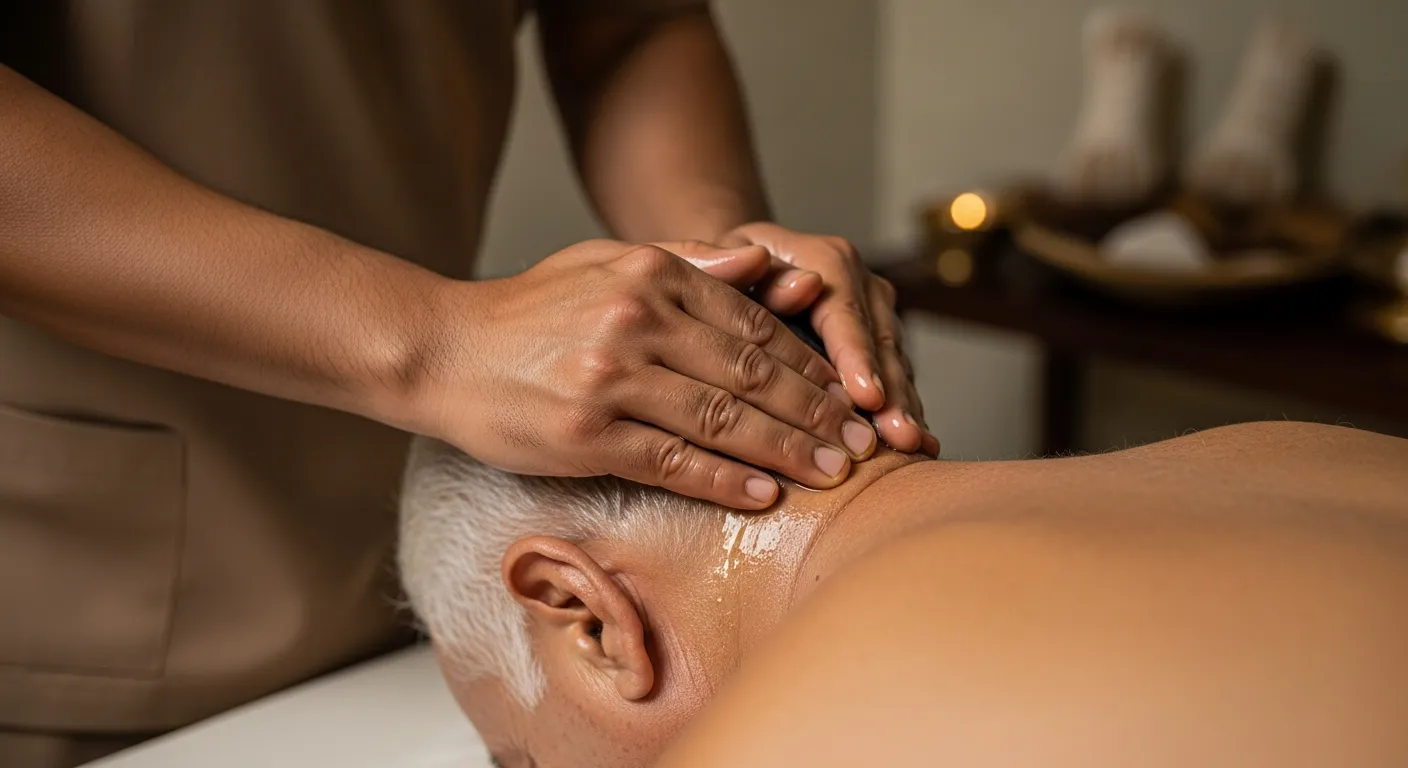
During the massage session, the patient is usually advised to lie down in a comfortable and relaxed position.
This helps reduce unnecessary strain on the body and allows smoother therapy application. It also helps the therapist focus carefully on sensitive areas.
Special attention is usually given to:
- Neck area
- Spine region
- Shoulder muscles
- Weak or stiff limbs
These areas are sensitive and closely connected with movement and nerve coordination.
Important Note About Cupping Therapy
Many people ask whether cupping therapy can be used in paralysis or stroke recovery cases.
At Healers Ayurveda Therapy Center, we recommend caution.
Improper or aggressive cupping therapy may not be suitable for certain paralysis patients, especially individuals with circulation problems, vascular conditions, or patients taking blood-thinning medications.
If cupping therapy is considered, it should only be done under proper medical or neurologist guidance. Patient safety should always remain the first priority.
Final Thoughts
Paralysis recovery requires time, consistency, and proper care. Along with Ayurvedic therapies, medical supervision, physiotherapy, exercises, diet, and family support also play an important role in recovery.
Ayurvedic Abhyangam with warm medicated oils may help support comfort, mobility, relaxation, and Vata balance when performed properly and safely.
Every patient’s condition is different, so therapies should always be customized according to the person’s age, strength, medical history, and recovery stage.
Disclaimer:
This article is intended for educational purposes only and should not replace professional medical advice, diagnosis, or emergency treatment.