
By Healers Ayurvedic Therapy Center
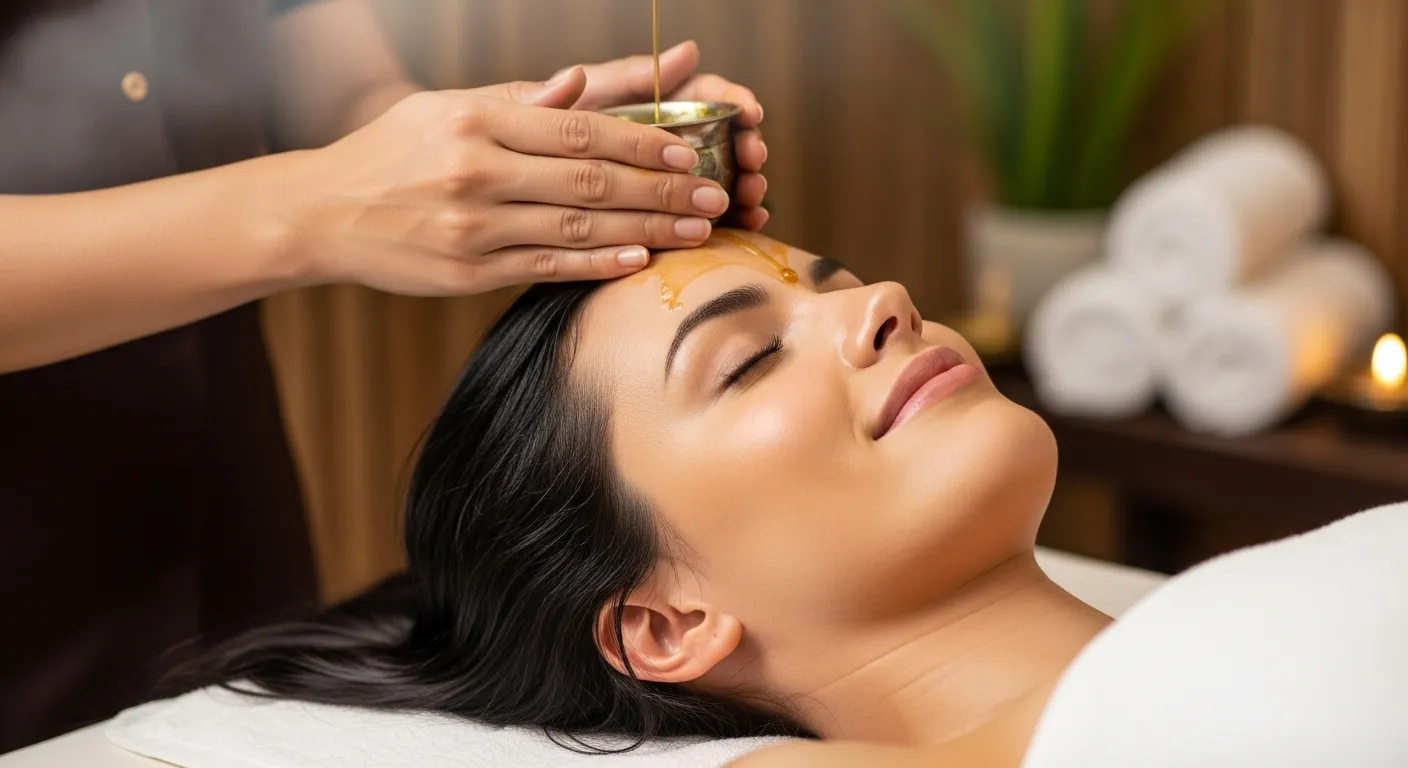
Most people use the words relaxation and recovery as if they mean the same thing. But in body therapy, they are actually very different.
This matters because many people spend months trying to “relax” their body while the real problem is that their muscles and nervous system need proper recovery.
At Healers Ayurvedic Therapy Center, we often meet people who say:
- “I took rest but the pain came back.”
- “I went for massage but my body still feels heavy.”
- “I feel relaxed for one day, then the tightness returns.”
Usually, the issue is not that the body needs temporary relaxation.
It’s that the body has not fully recovered.
Let’s understand the difference clearly.
What Is Relaxation Therapy?
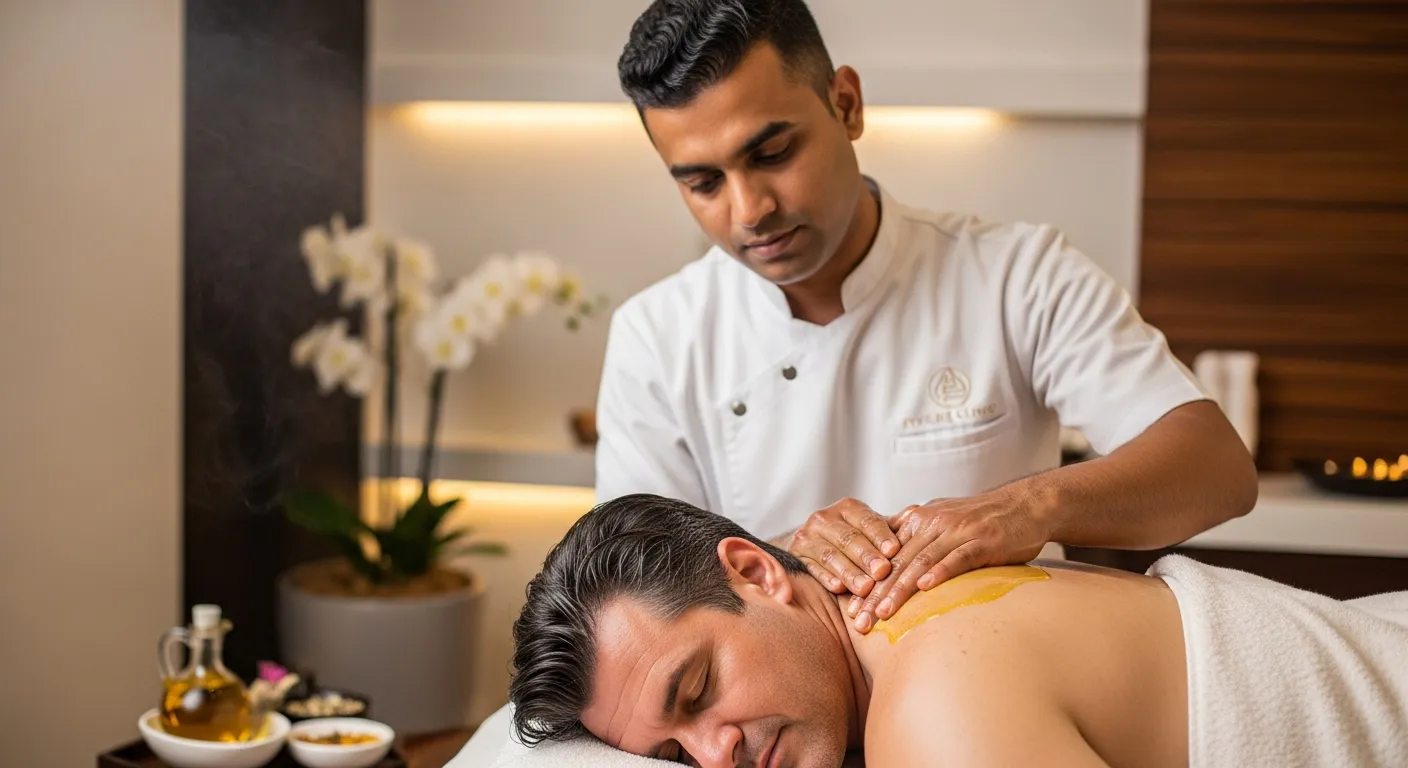
Relaxation therapy focuses mainly on helping the body and mind feel calm for a short period of time.
The goal is to:
- reduce stress,
- create comfort,
- calm the nervous system,
- help the person feel mentally lighter.
This type of therapy is useful when someone feels:
- mentally exhausted,
- emotionally overwhelmed,
- stressed after work,
- unable to switch off mentally.
Relaxation therapies often include:
- gentle massage,
- calming oils,
- soothing music,
- light pressure,
- warm environments,
- stress-relief treatments.
After relaxation therapy, people usually feel:
- calmer,
- lighter,
- sleepy,
- mentally refreshed.
And that’s valuable.
But relaxation alone does not always solve deeper physical tension patterns.
What Is Recovery Therapy?
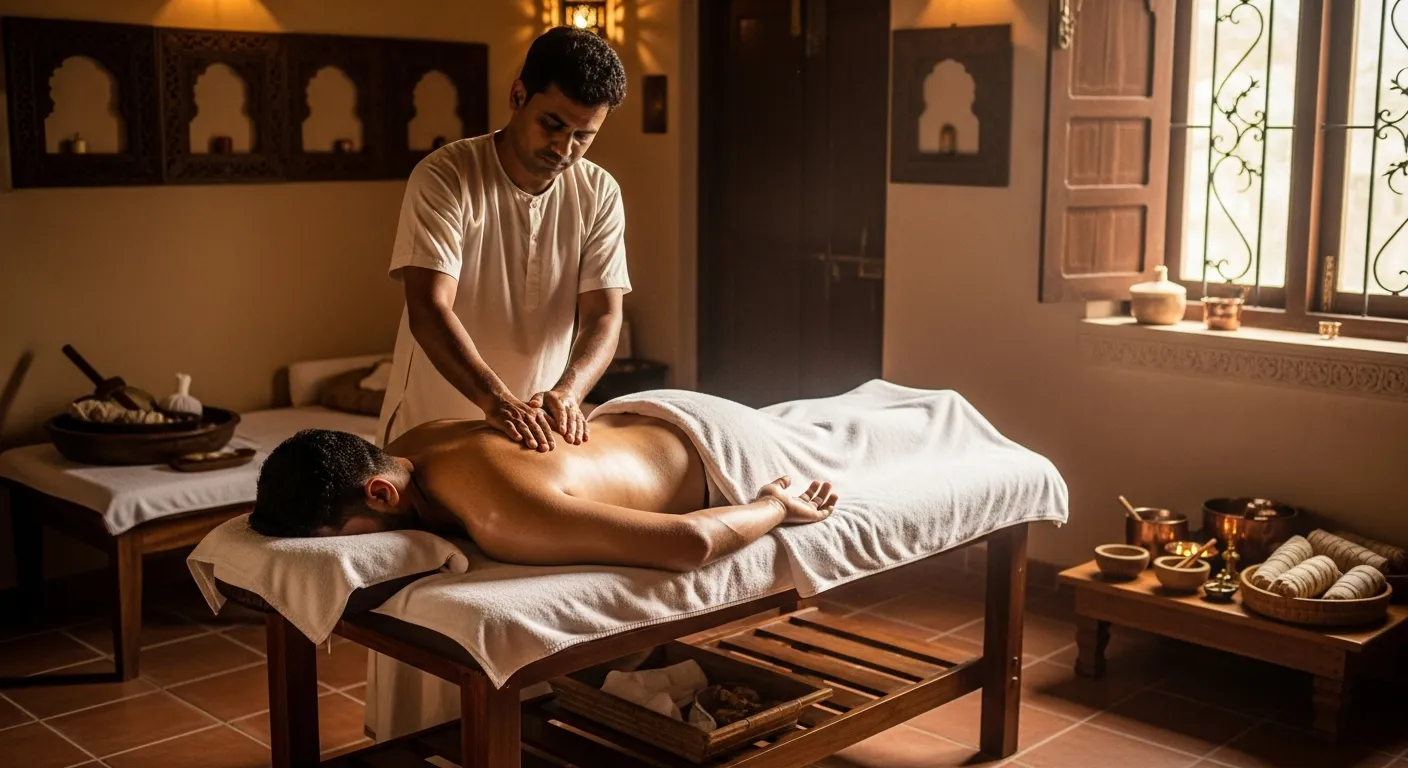
Recovery therapy focuses more on helping the body repair and restore itself physically.
The goal is not just comfort.
The goal is helping the muscles, tissues, circulation, and nervous system recover from ongoing strain.
This becomes important when someone has:
- chronic muscle tightness,
- recurring neck or shoulder pain,
- body stiffness,
- posture-related tension,
- physical fatigue,
- stress stored in the body for long periods.
Recovery-focused therapy usually works deeper than simple relaxation.
It may involve:
- targeted therapeutic massage,
- steam therapy,
- cupping therapy,
- muscle release work,
- circulation-focused treatments,
- posture-related recovery sessions.
The body may not always feel “soft and sleepy” afterward.
Sometimes people instead feel:
- lighter movement,
- reduced heaviness,
- less stiffness,
- improved flexibility,
- deeper physical relief.
That’s recovery.
A Simple Way to Understand the Difference
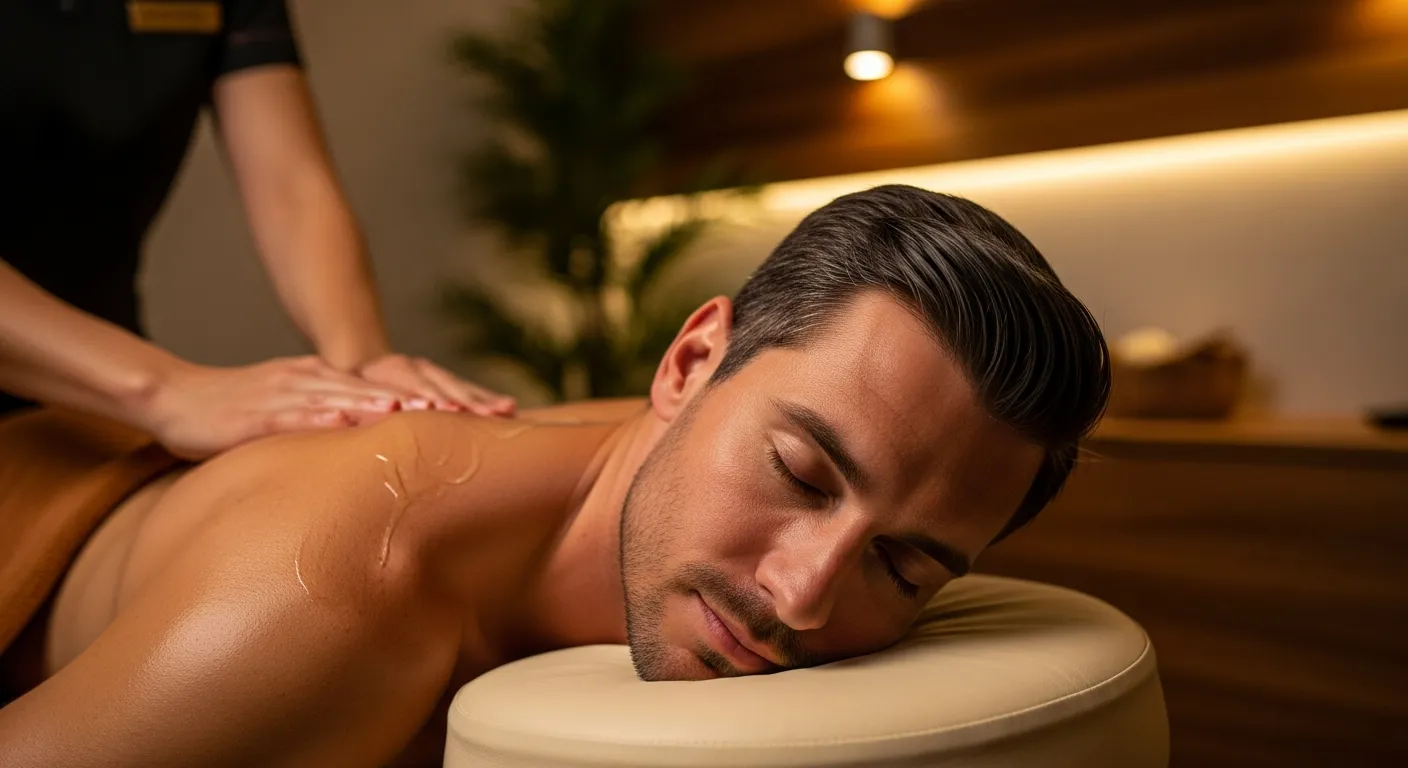
Relaxation therapy helps you feel better temporarily.
Recovery therapy helps the body function better over time.
Relaxation says:
“Let the body calm down.”
Recovery says:
“Let the body heal and restore properly.”
Both are useful.
But they serve different purposes.
Why Many People Confuse the Two
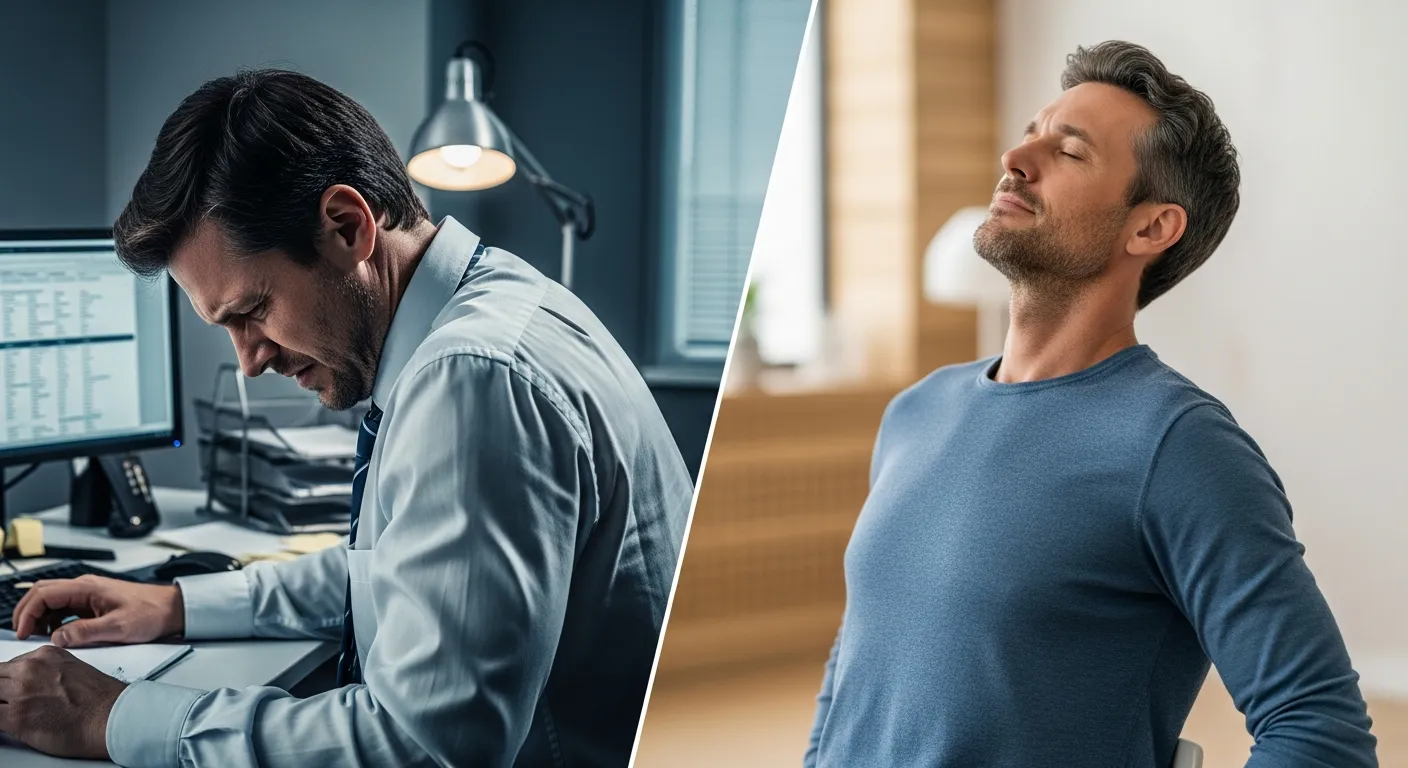
Modern life creates constant physical strain.
People sit for long hours, work under stress, sleep poorly, and carry tension daily.
Eventually the body becomes:
- tight,
- tired,
- heavy,
- inflamed,
- physically overloaded.
At this stage, a relaxing massage may feel good for a day or two.
But if the muscles, fascia, and nervous system are still under strain, the tightness often returns quickly.
This is why some people say:
“I keep getting massages but my body still feels tense.”
The issue is not comfort.
The issue is incomplete recovery.
Signs Your Body May Need Recovery Therapy Instead of Just Relaxation

You may benefit more from recovery-focused therapy if you regularly experience:
- recurring neck and shoulder tension,
- upper back heaviness,
- stiffness after sleep,
- pain returning every week,
- tight muscles even after rest,
- body fatigue that doesn’t improve properly,
- reduced flexibility,
- stress that feels “stored” physically in the body.
These are signs that the body may need deeper recovery support rather than only temporary relaxation.
How Ayurvedic Recovery Therapies May Help
At Healers Ayurvedic Therapy Center, we often combine relaxation and recovery approaches depending on the person’s condition.
Some therapies help calm the nervous system.
Others focus more on:
- muscle release,
- circulation,
- stiffness reduction,
- recovery from long-term tension patterns.
Depending on the individual condition, therapies may include:
Therapeutic Ayurvedic Massage
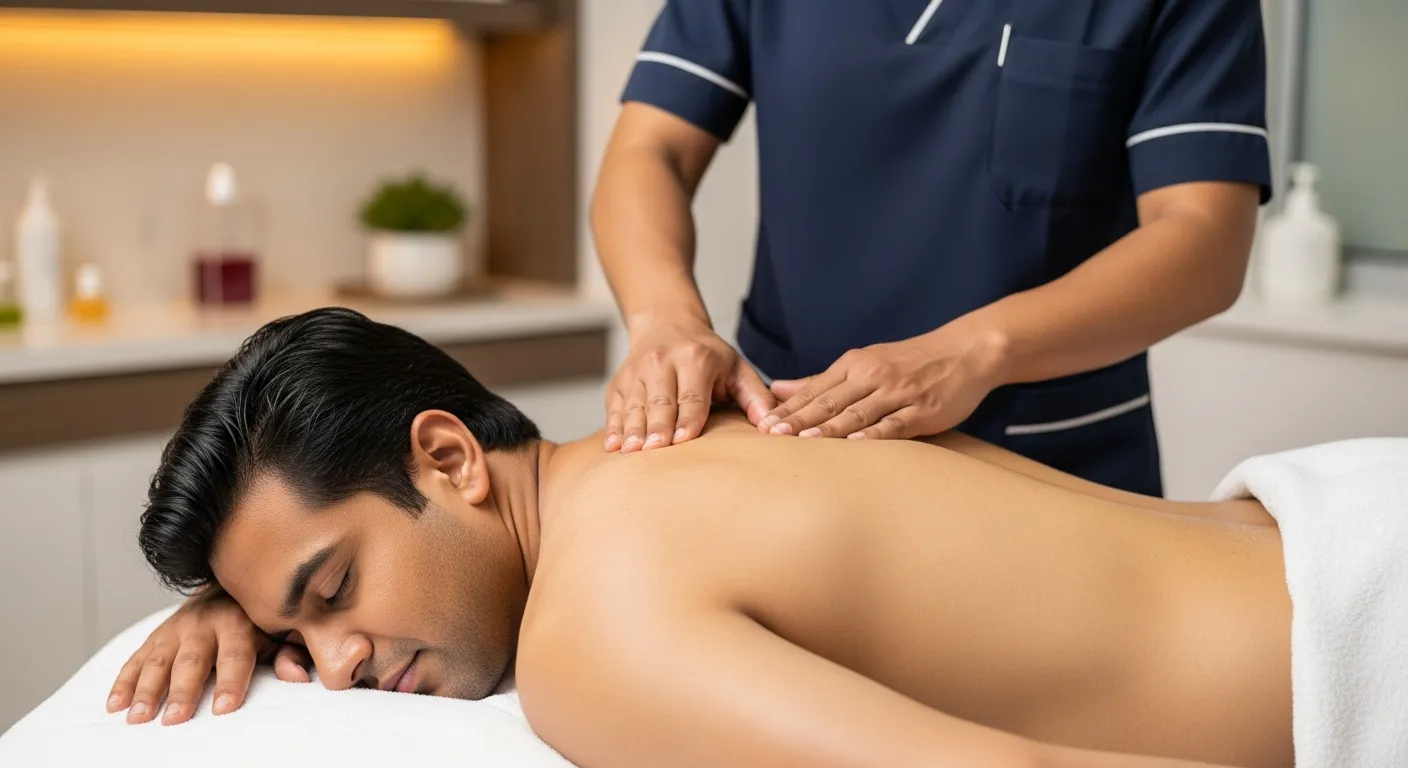
Focused massage techniques with warm herbal oils may help improve circulation, reduce muscular tightness, and support physical recovery.
Steam Therapy (Swedana)
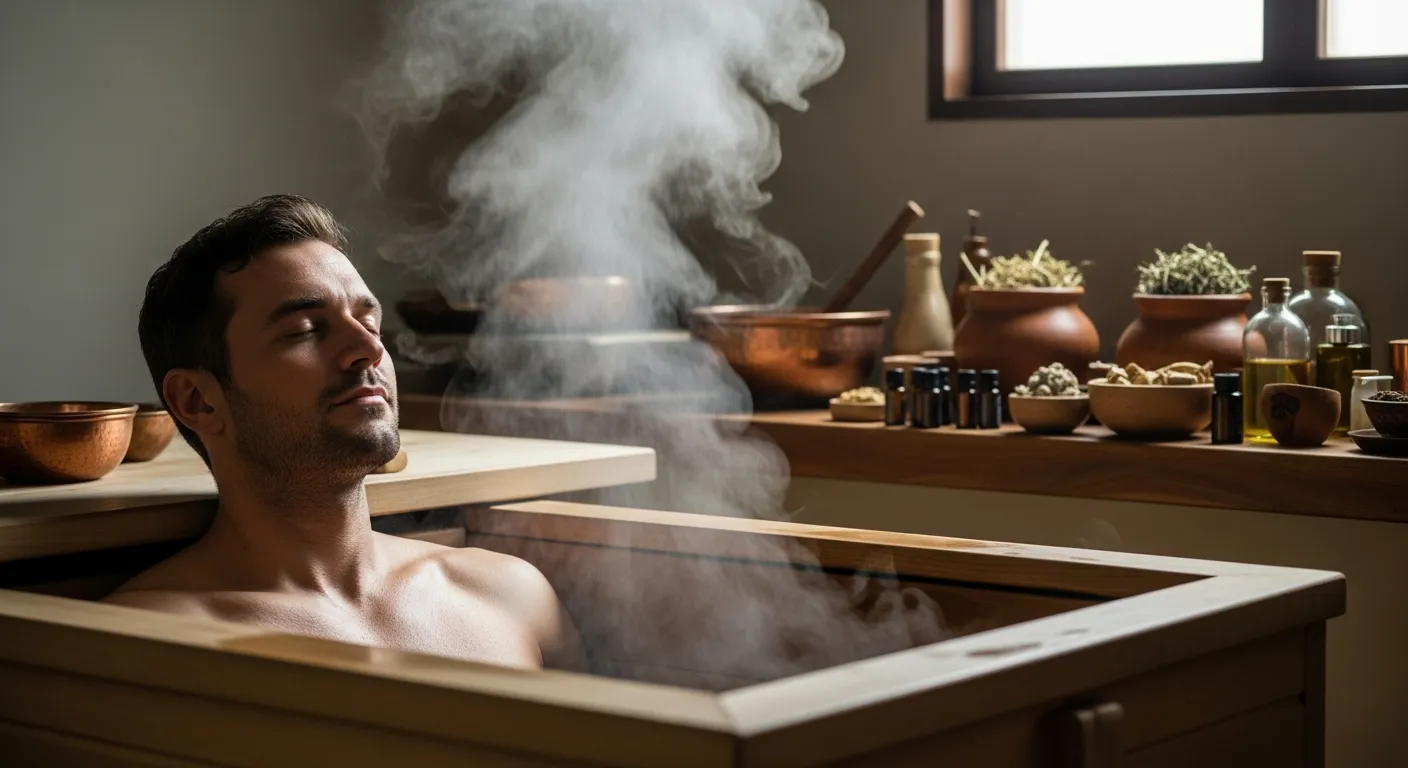
Steam therapy helps warmth reach deeper tissues and may support muscular relaxation and recovery from stiffness.
Cupping Therapy
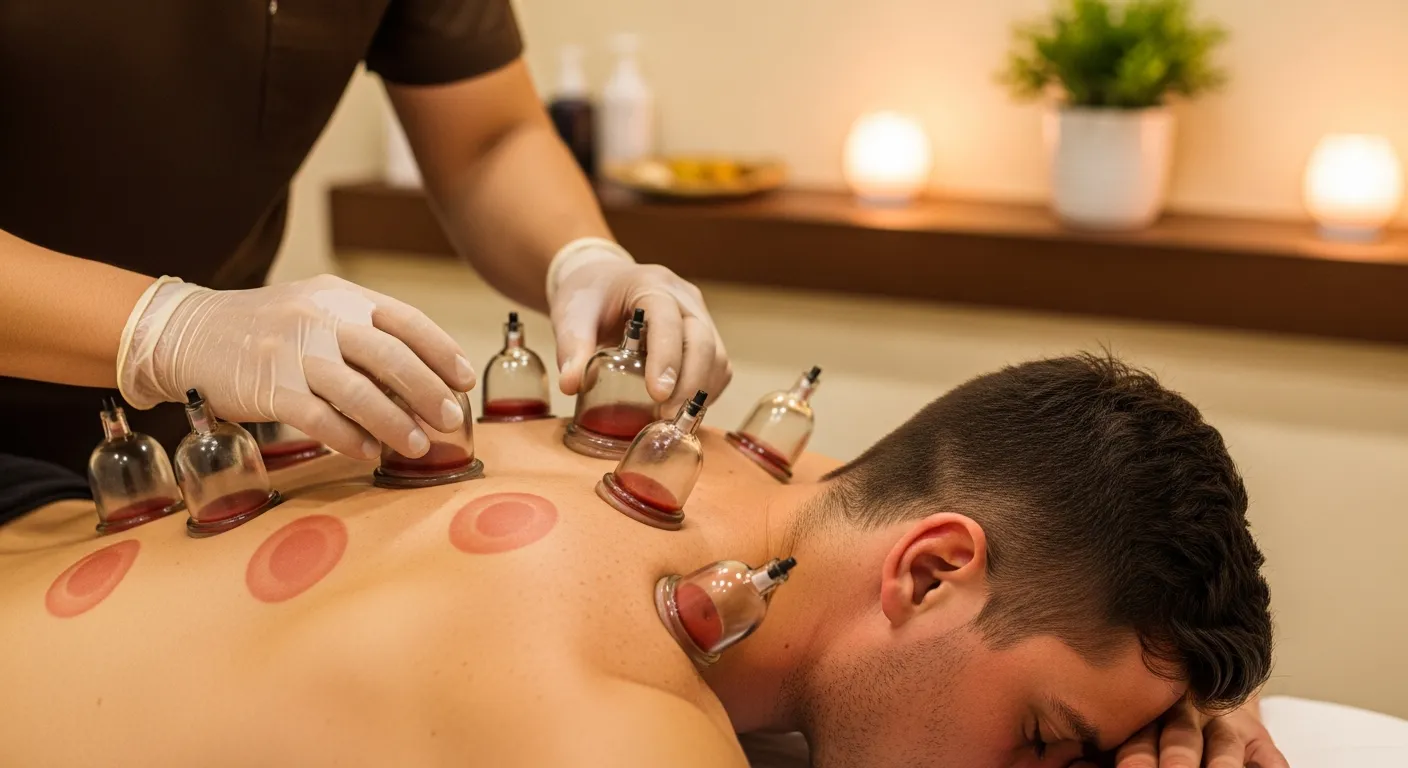
In selected cases, cupping therapy may help release deeper fascial tightness and improve mobility in areas affected by chronic tension.
Recovery Is Not Just About Pain Relief
One important thing many people realise late is this:
A body can feel “normal” and still be carrying too much tension.
Recovery therapy is not only for severe pain.
It can also help people who feel:
- physically drained,
- constantly tight,
- mentally stressed,
- heavy in the shoulders and back,
- exhausted even after resting.
The body often gives quiet warning signs long before serious pain develops.
The Right Therapy Depends on What Your Body Actually Needs
Some people truly need relaxation.
Others need physical recovery.
Many need a combination of both.
The important thing is understanding the difference instead of treating every kind of body tension the same way.
At Healers Ayurvedic Therapy Center, we work with office workers, professionals, business owners, drivers, and individuals dealing with stress-related tension, muscle tightness, and physical fatigue from modern lifestyles.
If your body constantly feels heavy, tight, or exhausted even after rest, it may be time to focus on proper recovery instead of only temporary relaxation.
Disclaimer: This article is intended for general awareness and educational purposes only. It is not a substitute for professional medical advice, diagnosis, or treatment. Please consult a qualified healthcare professional regarding any medical concerns.