
Your Chair Isn’t the Problem — Sitting Too Long Is

Most people assume lower back pain comes from lifting something heavy or injuring themselves at the gym. In reality, one of the biggest causes today is far simpler: sitting for hours every day. When you stay seated for long periods, your spine stays compressed, your hip muscles tighten, and your core stops supporting your lower back properly. Over time, this creates pressure on the lumbar spine, leading to stiffness, inflammation, and the dull aching pain many office workers feel by the end of the day.
Here’s what happens to your body when you sit too long:
- Spinal compression increases as your lower vertebrae carry constant pressure
- Hip flexors tighten, pulling your pelvis forward and stressing the lower back
- Glute muscles weaken, removing support for the spine
- Core muscles disengage, forcing the lower back to overwork
- Blood circulation slows, delaying muscle recovery and increasing stiffness
The result is a slow buildup of strain in the lower back. At first it feels like mild stiffness after work, but over months or years it can turn into persistent pain that interferes with sleep, exercise, and even simple daily movements. Understanding this root cause is the first step toward fixing the problem rather than just masking the pain.
It’s Not Just Sitting — It’s What Sitting Is Doing to Your Body

Most office workers blame their back pain on long work hours, but the real issue runs deeper. Lower back pain usually develops from multiple hidden physical changes happening over time, not just the act of sitting itself. When the body stays in the same position for hours every day, muscles weaken, joints stiffen, and the natural alignment of the spine slowly shifts. These small changes build up until the lower back begins carrying more stress than it was designed to handle.
Several hidden factors contribute to office-related lower back pain:
- Poor sitting posture that places uneven pressure on the lumbar spine
- Weak core muscles that fail to stabilize the lower back
- Tight hip flexors caused by prolonged sitting
- Reduced spinal mobility from lack of movement during the day
- Stress and muscle tension that tighten the back and shoulders
- Improper workstation setup that forces the body into unnatural positions
Because these issues develop gradually, many people don’t notice the problem until the discomfort becomes constant. Addressing these hidden causes is essential, because simply treating the pain without correcting the underlying imbalance rarely leads to long-term relief.
Why Quick Fixes for Back Pain Usually Don’t Last
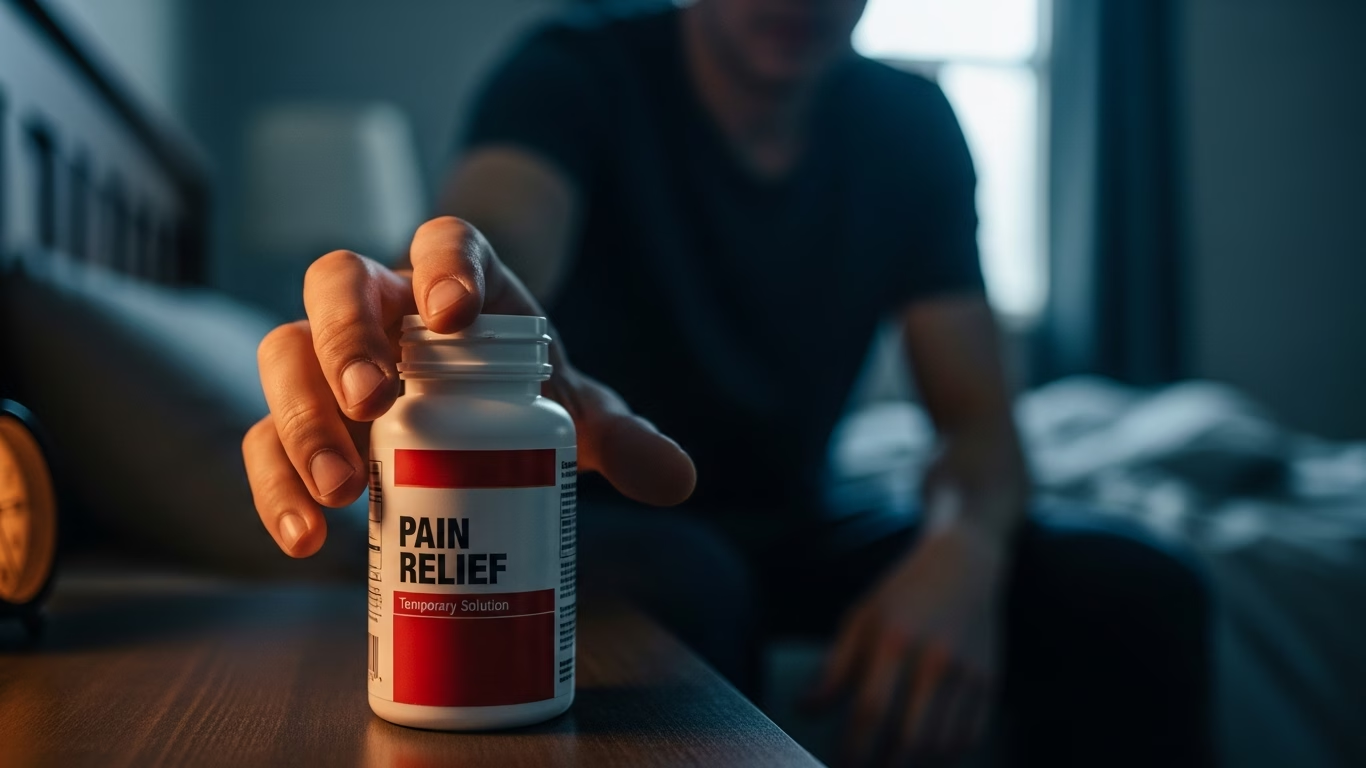
When lower back pain starts interfering with daily life, most people reach for the fastest solution available—painkillers, stretching routines, or expensive ergonomic chairs. While these can provide temporary relief, they rarely solve the underlying problem. That’s because most quick fixes focus on reducing symptoms, not correcting the deeper muscular tension, circulation issues, and structural imbalance that caused the pain in the first place.
Here’s why these common solutions often fall short:
- Painkillers only mask the pain, without addressing muscle tension or spinal pressure
- Stretching helps temporarily, but tight muscles quickly return without deeper release
- Ergonomic chairs improve posture, but they cannot reverse existing muscular strain
- Massage guns and foam rollers provide surface relief, not deep tissue recovery
- Short-term treatments ignore long-term imbalance in muscles and joints
Because these approaches focus on surface-level relief, the pain often returns once the effect wears off. To achieve lasting improvement, treatment needs to release deep muscle tension, restore circulation, and rebalance the body—which is where therapies like Ayurveda and cupping begin to address the problem at its root.
Ayurveda’s View: When Vata Imbalance Triggers Lower Back Pain

In Ayurveda, chronic lower back pain is often linked to an imbalance in Vata dosha, the energy responsible for movement in the body. Vata governs the nervous system, joints, muscles, and circulation. When daily habits like prolonged sitting, irregular meals, stress, and lack of movement disturb Vata, it begins to accumulate in the lower back region—an area Ayurveda considers a primary seat of Vata. This imbalance can lead to stiffness, dryness in the joints, nerve irritation, and persistent lower back discomfort.
Common signs of Vata-related lower back pain include:
- Stiffness and tightness in the lower back, especially after sitting
- Sharp or shooting pain that may move through the hips or legs
- Dryness and cracking joints, often felt during movement
- Pain that worsens with cold weather or inactivity
- Irregular flare-ups where pain appears suddenly and then subsides
Instead of only treating the symptom, Ayurveda focuses on restoring balance to Vata through therapies that warm the tissues, improve circulation, relax tight muscles, and nourish the nervous system. By correcting the underlying imbalance, the body is better able to reduce inflammation, relieve tension, and support natural healing in the lower back.
How Cupping Therapy Relieves Deep Muscle Tension in the Lower Back
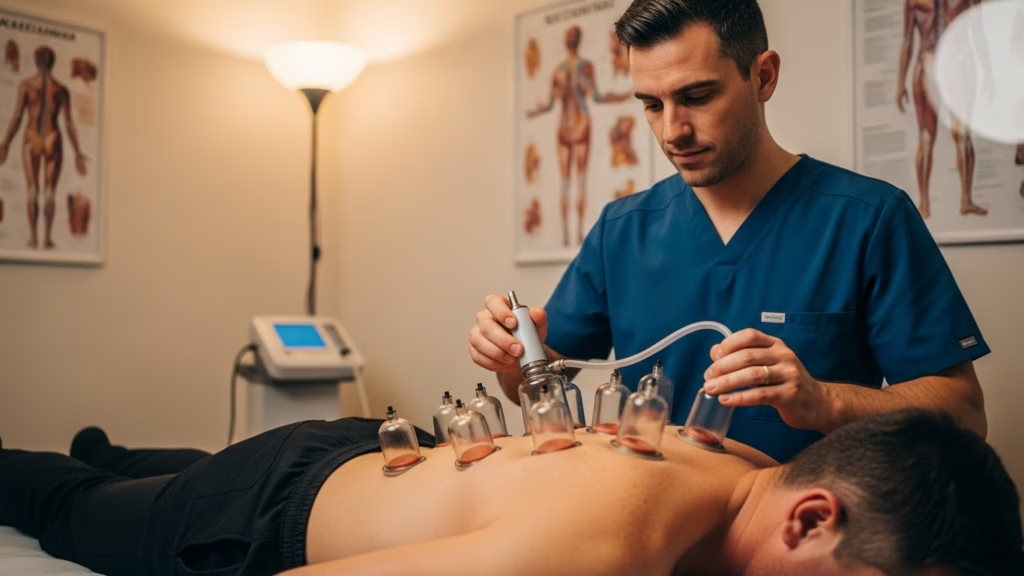
Cupping therapy is a traditional treatment that works by creating gentle suction on the skin using specialized cups. This suction lifts the underlying tissue, allowing tight muscles to relax and improving blood flow to areas that have been under constant strain. For people who sit for long hours, the muscles in the lower back often become tight and compressed. Cupping helps reverse this by decompressing the tissue and stimulating circulation, allowing the body to release built-up tension and begin natural recovery.
Cupping therapy supports lower back recovery by:
- Releasing deep muscle tightness that develops from prolonged sitting
- Improving blood circulation to strained lower back muscles
- Reducing inflammation in the surrounding tissues
- Relaxing the nervous system, which helps reduce pain signals
- Promoting faster muscle recovery by increasing oxygen and nutrient flow
Unlike treatments that only target the surface of the muscles, cupping works by lifting and decompressing the tissue, which can reach deeper layers where chronic tension often develops. This makes it particularly helpful for office workers and sedentary individuals whose back pain is caused by long-term muscle tightness rather than acute injury.
Why Ayurveda + Cupping Work Better Together Than Alone

Most treatments fail because they only address one layer of the problem. Lower back pain from sitting isn’t just muscular—it’s a combination of circulation issues, muscle tightness, and systemic imbalance. Cupping therapy targets the physical layer by releasing deep tension and improving blood flow, while Ayurveda works on restoring internal balance, especially calming aggravated Vata. When combined, they don’t compete—they amplify each other’s effectiveness.
Here’s why this combination delivers stronger results:
- Cupping releases deep muscle tension, while Ayurveda prevents it from building again
- Improved blood flow from cupping enhances Ayurvedic treatments like oils and therapies
- Ayurveda reduces inflammation and nervous system stress, making cupping more effective
- Addresses both root cause (imbalance) and symptom (pain) at the same time
- Creates longer-lasting relief, not just temporary comfort
This is why people who try only one method often see limited results, while those who combine both experience more consistent and lasting relief. The body doesn’t heal in isolated parts—it heals as a system. When treatment reflects that, outcomes improve.
What Actually Happens During an Ayurveda + Cupping Session

Most people hesitate to try new treatments because they don’t know what to expect. In reality, an Ayurveda + cupping session is structured, controlled, and designed to gradually relax the body—not shock it. The goal is simple: reduce tension, improve circulation, and restore balance without causing discomfort. Each step builds on the previous one to prepare the body for deeper relief.
A typical session usually follows this sequence:
- Initial assessment to understand pain areas, lifestyle, and body condition
- Application of warm Ayurvedic oils to relax muscles and calm the nervous system
- Gentle massage to prepare the lower back and surrounding muscles
- Cupping therapy application on targeted areas to release deep tension
- Rest period to allow the body to respond and recover
- Post-treatment guidance including simple lifestyle or movement advice
The experience is often described as deeply relaxing, with many people feeling noticeable lightness in the lower back even after the first session. Over multiple sessions, the body begins to hold less tension, making movement easier and reducing the frequency and intensity of pain.
Who This Treatment Works Best For (And Who Shouldn’t Ignore It)

This approach isn’t for everyone—and that’s exactly why it works. Ayurveda + cupping is most effective for people whose back pain comes from lifestyle patterns, not acute injury. If your pain has built up over time due to sitting, stress, or lack of movement, this treatment directly targets the root causes instead of just suppressing symptoms.
This treatment is especially effective for:
- Office workers and remote professionals sitting 6–10 hours daily
- People with chronic lower back stiffness that worsens by evening
- Individuals with recurring pain that keeps coming back despite treatment
- Those relying on painkillers or temporary fixes without lasting relief
- People experiencing stress-related muscle tension in the back
- Sedentary individuals with low mobility and tight muscles
If your pain is recent and caused by a serious injury, this should not be your first step—you need proper medical evaluation. But if your discomfort has been slow, persistent, and tied to your daily routine, this combination is designed for exactly that pattern. It works because it treats what caused the pain—not just the pain itself.
How Fast Will You Actually Feel Relief?

One of the biggest questions people have is how quickly this treatment works. The honest answer: you can feel initial relief early, but lasting results come from consistency. Unlike painkillers that give instant but temporary relief, Ayurveda + cupping works by gradually reducing tension, improving circulation, and restoring balance—so the effects build over time.
Here’s what most people typically experience:
- After 1 session: Lightness in the lower back, reduced stiffness
- After 2–3 sessions: Noticeable drop in daily discomfort and tightness
- After 4–6 sessions: Improved mobility and less frequent pain episodes
- After consistent treatment: Long-term relief with reduced dependency on quick fixes
The timeline depends on how long the pain has been building. If your back pain developed over years of sitting, expecting a permanent fix in one session is unrealistic. But with the right consistency, the body starts to hold less tension, recover faster, and return to a more natural, pain-free state.
When You Don’t Need Surgery for Lower Back Pain

Surgery is often seen as the final solution for chronic back pain—but in many cases, it’s not necessary. Most lower back pain caused by prolonged sitting is functional, not structural, meaning it comes from muscle tightness, poor movement patterns, and imbalance rather than severe damage. Jumping to surgery without addressing these root causes often leads to temporary relief at best, and recurring issues at worst.
Surgery is usually not required if:
- Pain developed gradually from sitting or lifestyle habits
- There is no major injury or trauma (like accidents or fractures)
- Pain comes and goes, rather than being constant and severe
- Mobility improves with movement or therapy
- There are no serious nerve symptoms like loss of bladder control or severe weakness
- Imaging (if done) shows mild to moderate issues, not severe structural damage
In these cases, the smarter move is to first correct the underlying causes—muscle tension, poor circulation, and imbalance—using non-invasive approaches like Ayurveda and cupping. Surgery should be a last resort, not a starting point. When the body is given the right conditions to recover, it often resolves the pain without the risks, cost, and recovery time that surgery brings.
Fix Your Back Daily — Or the Pain Will Keep Coming Back

Treatment can relieve your pain, but if your daily habits don’t change, the problem will return. Lower back pain from sitting is a behavior-driven issue, not a one-time event. The goal is simple: reduce strain during the day so your body doesn’t keep rebuilding the same tension you’re trying to remove.
Simple habits that make the biggest difference:
- Stand up every 30–45 minutes to reset spinal pressure
- Keep feet flat and spine neutral while sitting (avoid slouching)
- Use a small lower back support to maintain natural curve
- Do 5–10 minutes of daily movement (walking or light stretching)
- Avoid long uninterrupted sitting sessions, even with a good chair
- Stay warm, especially in air-conditioned environments (important for Vata balance)
Most people ignore these basics and rely only on treatment—that’s why their pain keeps returning. The combination that actually works is simple: reduce daily strain + support recovery through treatment. When both are in place, the body stops cycling back into pain and starts maintaining relief on its own.
When It’s Time to Stop Managing Pain and Start Fixing It
Most people wait too long before seeking professional help. They adjust their chair, try home remedies, and push through discomfort—hoping it will resolve on its own. But when lower back pain becomes consistent, predictable, or limiting, it’s no longer a minor issue. It’s a signal that the body needs structured intervention, not occasional relief.
You should consider professional treatment if:
- Pain persists for weeks or keeps returning despite basic fixes
- Discomfort increases by the end of the workday regularly
- You rely on painkillers or temporary relief methods
- Stiffness limits your movement, exercise, or sleep
- You feel tightness even after resting, not just after activity
- Home remedies and stretching stop making a difference
At this stage, continuing to self-manage usually leads to slower recovery and deeper imbalance. A structured approach that combines targeted therapy, guided treatment, and lifestyle correction is far more effective. If you’re based in Bangalore and dealing with this pattern, it’s worth speaking to a specialist who understands both modern lifestyle strain and traditional therapeutic methods—so the problem is addressed early, before it becomes harder and more expensive to fix.